

Living with chronic joint pain can feel like a constant negotiation between what you want to do and what your body will allow. The good news is that surgery is not always the first or only answer, and many people find real, lasting relief through a combination of therapies that work together rather than in isolation. This article walks through the most effective non-surgical strategies available today, so you can have an informed conversation with your care team and build a recovery plan that fits your life.
Whether your discomfort comes from years of wear and tear, an old injury, or an underlying condition, understanding your options is the first step toward feeling like yourself again.
- Understanding the Root Causes of Chronic Joint Pain
- Rebuilding Strength Through Movement-Based Care
- Exploring Manual and Structural Therapies
- Comprehensive Approaches to Managing Pain Day to Day
- Working With a Fitness Professional to Protect Your Joints
- The Hormonal Connection to Inflammation and Healing
- Support Systems for Long-Term Recovery at Home
- The Often-Overlooked Link Between Hearing and Balance
- Nutrition, Sleep, and Inflammation Control
- Putting It All Together: Building Your Recovery Plan
Understanding the Root Causes of Chronic Joint Pain
Joint pain rarely comes from a single source, which is why a one-size-fits-all treatment often falls short. Cartilage breakdown, inflammation, muscle imbalances, past injuries, and even posture habits can all contribute to the discomfort you feel in your knees, hips, shoulders, or hands. Identifying the underlying driver of your symptoms is essential before choosing a treatment path, since chasing the wrong cause can waste time and money.
A thorough evaluation typically looks beyond the painful joint itself to examine how the rest of the body moves and compensates. This bigger-picture approach helps explain why joint pain in one area sometimes traces back to weakness or stiffness somewhere else entirely.
- Osteoarthritis and cartilage wear from age or repetitive stress
- Old sports injuries or fractures that healed imperfectly
- Muscle weakness that forces joints to absorb more impact
- Systemic inflammation linked to diet, autoimmune conditions, or stress
- Poor posture or movement patterns built up over years
Rebuilding Strength Through Movement-Based Care
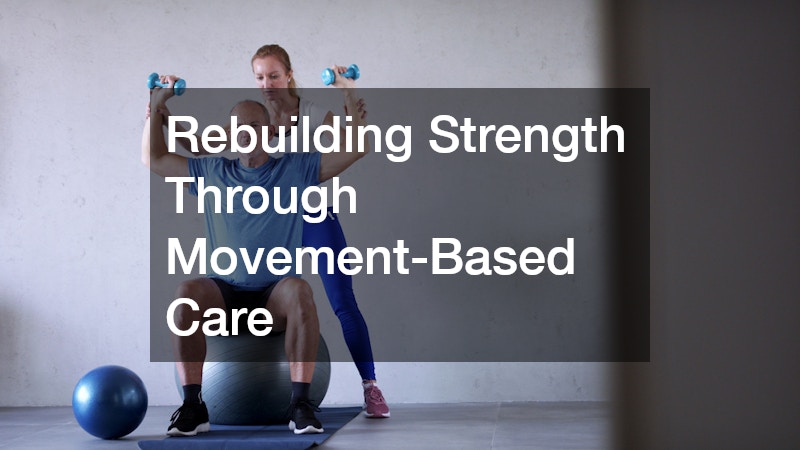
For many people, the most effective and lowest-risk starting point is structured, guided movement. Physical therapy focuses on restoring range of motion, correcting movement patterns, and strengthening the muscles that support a painful joint, which can reduce stress on the area without ever touching a scalpel. Sessions are typically tailored to your specific diagnosis, meaning two people with knee pain might follow very different exercise programs depending on what is actually driving their symptoms.
Physical rehab often extends beyond the clinic, incorporating home exercise programs designed to keep progress moving between visits. Consistency matters more than intensity here, since small, regular improvements in mobility and strength tend to compound over weeks and months.
- Manual therapy techniques to improve joint mobility
- Targeted strengthening exercises for supporting muscle groups
- Balance and coordination training to prevent future injury
- Education on movement modifications for daily activities
Exploring Manual and Structural Therapies
Many people dealing with chronic joint pain also explore spinal and joint adjustment as part of their recovery toolkit. Chiropractors focus on the alignment of the spine and joints, working under the theory that misalignment can contribute to pain, restricted movement, and nerve irritation that radiates into other areas of the body. For conditions involving the back, neck, or hips, this hands-on approach can complement other therapies rather than replace them entirely.
It is worth noting that not every case of joint pain responds the same way to manual adjustment, so working with a licensed chiropractor who communicates openly with your other providers tends to produce the best outcomes. A collaborative approach, where your chiropractor shares notes with your physical therapist or primary doctor, often leads to a more cohesive recovery plan than treatments pursued in isolation.
- Spinal manipulation to address alignment issues
- Soft tissue work to relieve muscle tension around joints
- Postural assessments to identify contributing habits
- Coordination with other providers for a unified treatment plan
Comprehensive Approaches to Managing Pain Day to Day

Living with a chronic condition means learning to manage flare-ups while continuing to make progress on the underlying issue. Effective pain management usually blends several strategies rather than relying on a single medication or treatment, since chronic pain tends to respond better to a layered approach. This might include anti-inflammatory approaches, heat and cold therapy, topical treatments, and mind-body techniques like breathing exercises or guided relaxation.
Tracking your pain patterns can also reveal useful information, such as which activities trigger flare-ups or what time of day symptoms feel worse. Sharing this information with your care team allows for more precise adjustments to your overall plan.
- Alternating heat and cold to reduce swelling and stiffness
- Low-impact activity to keep joints moving without added strain
- Journaling symptoms to identify patterns and triggers
- Mind-body techniques such as guided breathing or meditation
Working With a Fitness Professional to Protect Your Joints
Once acute pain is under control, building strength safely becomes the next priority, and this is where guided exercise programming really shines. Personal trainers who have experience working with clients managing joint conditions can design workouts that build muscle without aggravating sensitive areas. Look for trainers with credentials like a Corrective Exercise Specialist certification or documented experience working alongside physical therapists, since this background often signals a better understanding of movement compensation patterns.
A knowledgeable trainer will typically start with a movement assessment to identify which joints need extra protection, then build a program around low-impact strength work such as resistance bands, controlled tempo lifts, or machine-based exercises before progressing to free weights. They may also adjust rep ranges, reduce range of motion temporarily, or substitute exercises like a leg press for a squat to reduce joint loading while still targeting the same muscle groups.
This kind of individualized attention helps you avoid the common mistake of either doing too much too soon or avoiding activity altogether out of fear of pain. Regular check-ins also allow the trainer to track pain levels, adjust intensity week to week, and celebrate small strength gains that keep motivation high during a slow, incremental recovery process.
A knowledgeable trainer will also modify traditional exercises to reduce joint stress, tailoring movement patterns to your specific limitations rather than forcing a one-size-fits-all program. For example, deep squats might be swapped for box squats or supported wall sits that keep knee flexion within a comfortable range, while resistance bands can replace heavy free weights to build strength without excessive compressive load. Step-ups or partial-range lunges may also stand in for full lunges when hip or knee irritation is a concern.
Trainers often use tools like the Rate of Perceived Exertion (RPE) scale to gauge how hard you’re working without overtaxing vulnerable joints, adjusting sets, reps, or range of motion week to week. Over time, this steady, supervised progression—often moving in small increments of 5-10% load or range increases—helps rebuild confidence in your body’s ability to move well.
- Custom workout plans built around your specific joint limitations, imaging results, and pain triggers
- Proper form coaching to prevent compensatory movement patterns that shift stress to healthy joints
- Gradual progression—often 5–10% increases in load or reps per week—to avoid overloading healing tissue
- Targeted mobility and stability drills for the muscles surrounding the affected joint
- Regular reassessment to adjust the plan as pain levels, strength, and range of motion improve
- Accountability and motivation to stay consistent with exercise, especially on low-energy days
- Clear communication with your physical therapist or physician to keep all providers aligned
The Hormonal Connection to Inflammation and Healing

Hormones play a bigger role in joint health than many people realize, particularly as we age. Declining levels of certain hormones can affect cartilage maintenance, muscle mass, and the body’s inflammatory response, all of which influence how joints feel and function. For some patients, especially those going through menopause or andropause, hormone replacement therapy becomes part of a broader conversation about managing chronic pain and preserving mobility.
This approach is not appropriate for everyone and should only be considered after a thorough evaluation by a qualified provider who understands your full medical history. When used appropriately, however, addressing hormonal imbalances can support other therapies by improving energy levels, sleep quality, and the body’s ability to repair tissue.
Support Systems for Long-Term Recovery at Home
Recovery does not stop when you leave the clinic, and for some individuals, especially older adults or those with more severe mobility limitations, extra support at home makes a meaningful difference. Private duty care can provide assistance with daily tasks, medication reminders, and mobility support, allowing patients to focus their energy on healing rather than struggling through routine chores. This kind of help can also reduce the risk of falls or reinjury during the more vulnerable early stages of recovery.
Families often find that arranging this support proactively, rather than waiting for a crisis, leads to a smoother and less stressful recovery process. Having a consistent, trained presence in the home also gives caregivers peace of mind while their loved one works through a structured treatment plan.
- Assistance with bathing, dressing, and mobility around the home
- Medication management and appointment reminders
- Light housekeeping to reduce unnecessary strain
- Companionship that supports emotional well-being during recovery
The Often-Overlooked Link Between Hearing and Balance
It might seem unrelated at first, but hearing health can actually influence joint pain recovery in an indirect but important way. The inner ear plays a central role in balance, and untreated hearing loss has been linked to a higher risk of falls, which can worsen existing joint problems or cause new injuries. For patients working through a rehabilitation program, addressing hearing aids as part of a broader wellness check can reduce fall risk and support safer movement during exercise.
This connection is especially relevant for older adults who are already managing arthritis or joint replacement recovery, since a fall during this vulnerable period can set back months of progress. A simple hearing evaluation, paired with balance training, rounds out a truly comprehensive recovery strategy.
Nutrition, Sleep, and Inflammation Control

What you eat and how well you sleep directly affects how your joints feel day to day. Diets high in processed sugar and refined carbohydrates tend to promote inflammation, while foods rich in omega-3 fatty acids, antioxidants, and fiber can help calm the body’s inflammatory response. Sleep is equally important, since tissue repair and hormone regulation both happen most efficiently during deep, uninterrupted rest.
Small, sustainable changes tend to work better than dramatic overhauls, especially for people already managing pain and fatigue. Focusing on a few consistent habits can create noticeable improvements within just a few weeks.
- Increasing intake of fatty fish, leafy greens, and berries
- Reducing processed foods and added sugars
- Establishing a consistent sleep schedule
- Limiting screen time and caffeine before bed
- Staying well hydrated to support joint lubrication
Putting It All Together: Building Your Recovery Plan
The most successful recovery plans rarely rely on a single therapy; instead, they combine several complementary approaches tailored to the individual, such as physical therapy paired with manual treatment, targeted strength work, and pain-management techniques like dry needling or anti-inflammatory nutrition strategies. A typical plan might include two to three physical therapy sessions per week alongside a home exercise program, with periodic check-ins from a chiropractor or sports medicine physician to monitor progress.
Working with a team that communicates and adjusts your plan as you progress tends to produce better long-term outcomes than pursuing treatments in isolation. This might mean your physical therapist shares progress notes with your massage therapist, or your primary care provider weighs in before a new exercise phase begins.
Regular reassessment, ideally every four to six weeks, ensures that what worked in the early stages of recovery continues to serve you as your needs change. As pain decreases and function improves, your plan should shift accordingly, scaling back passive treatments like manual therapy while increasing active rehabilitation such as strength training or mobility work.
Patience is essential throughout this process, since meaningful improvement in chronic joint conditions usually happens gradually rather than overnight. Most patients report noticeable gains in mobility and pain reduction only after 6 to 12 weeks of consistent, combined treatment, so short-term setbacks shouldn’t be mistaken for failure.
Staying engaged with your care team and tracking your progress honestly will help you recognize what is working and what needs adjustment. Keep a simple log noting pain levels, range of motion, and activity tolerance weekly, then review it at each follow-up appointment.
Be prepared to revisit your plan every 4 to 6 weeks, since a therapy that helped initially may need modification as your condition changes. Small, measurable wins, like walking an extra block or climbing stairs without hesitation, are often better indicators of real progress than day-to-day comfort alone.
Recovering from chronic joint pain without surgery is entirely possible for many people, but it requires a thoughtful, multi-layered approach rather than a single quick fix. Start by talking with your doctor about which combination of therapies makes sense for your specific diagnosis and lifestyle, and be prepared to adjust the plan as your body responds. With patience, consistency, and the right support system in place, lasting relief and improved mobility are realistic goals worth pursuing.
