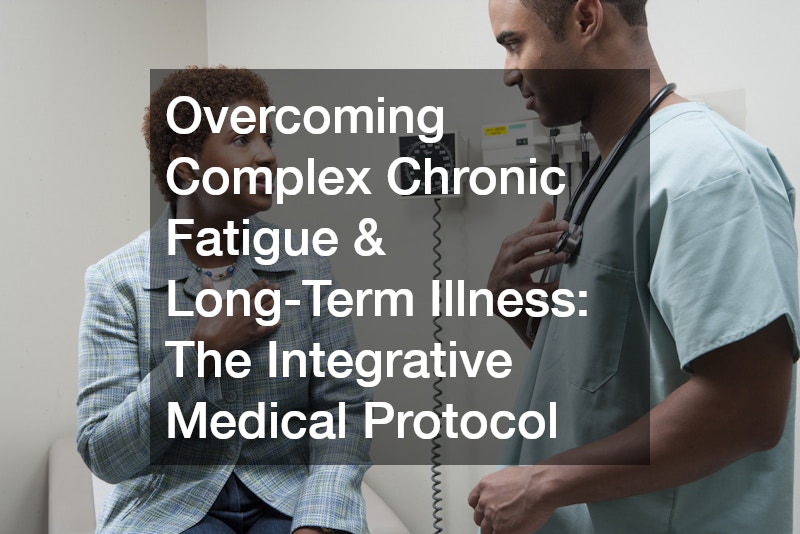
Living with complex chronic fatigue or lingering long-term health issues can feel like navigating an overwhelming puzzle without a complete picture. Individuals suffering from persistent exhaustion often visit numerous doctors, receive contradictory advice, and try endless treatments without finding lasting relief. Standard blood tests frequently return within normal ranges, leaving patients frustrated, misunderstood, and without clear answers. The fundamental challenge lies in the fact that complex chronic illness rarely stems from a single isolated trigger. Instead, it involves multiple interconnected bodily systems, including the immune system, nervous system, cardiovascular network, and metabolic pathways.
When bodily systems break down in unison, a traditional singular treatment method falls short. For instance, an individual experiencing heavy daily fatigue might suffer from underlying hormonal disruptions that require clinical intervention, such as targeted hormone replacement therapy to restore foundational energy levels and cellular signaling. At the same time, lifestyle modifications and dietary shifts play a major supporting role in recovery. Patients often turn to specialized supplements or specific dietary changes found at a local health food store to aid digestion and reduce general systemic strain. However, random self-directed adjustments without unified clinical guidance often lead to spotty or temporary results.
An integrative medical protocol changes this trajectory by uniting various clinical modalities into a structured, coordinated plan. Rather than managing isolated symptoms, this comprehensive approach focuses on identifying root causes, supporting cellular healing, and restoring balance to the body as a whole. Through careful assessment, multi-system evaluation, and tailored therapies, long-term health restoration becomes an achievable reality for individuals seeking lasting vitality.
Table of Contents
- Identifying Hidden Drivers of Systemic Exhaustion
- Restoring Oxygenation and Sleep Architecture
- Restoring Physical Function Without Triggering Relapses
- Vascular Integrity and Structural Tissue Recovery
- Fine-Tuning Endocrine Function and Nutrient Delivery
- Neuromuscular Realignment and Parasympathetic Activation
- Long-Term Protocol Maintenance and Sustainable Healing
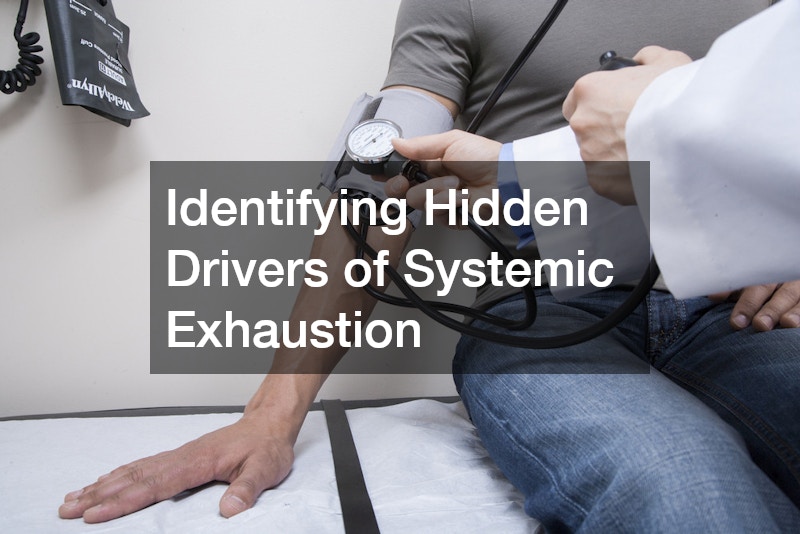
Identifying Hidden Drivers of Systemic Exhaustion
To resolve complex chronic illness, practitioners must look beyond superficial complaints and investigate hidden internal stressors that perpetuate fatigue. Chronic exhaustion is rarely just a feeling of being tired; it is typically a state of metabolic cellular energy failure. When mitochondria–the tiny power plants inside human cells–cannot produce adenosine triphosphate (ATP) efficiently, every physiological process slows down. Environmental toxins, hidden low-grade viral reactivations, systemic inflammation, and autonomic nervous system imbalances frequently maintain this exhausting cycle over extended periods.
In many cases, the autonomic nervous system becomes trapped in a continuous state of sympathetic stress, making true restorative rest almost impossible. Incorporating therapies that calm the nervous system helps shift the body back into a parasympathetic state where repair occurs. Working with a skilled acupuncture doctor offers a proven pathway to soothe hyperactive nerve signals, improve microvascular circulation, and promote autonomic nervous system regulation. Acupuncture targets precise anatomical points, encouraging the release of naturally calming neurotransmitters and reducing chronic pain signals that continuously drain energy reserves.
Simultaneously, structural misalignments in the spine can create persistent biomechanical stress, interfering with proper nerve transmission and normal blood flow to organs. Licensed chiropractors perform gentle spinal adjustments that relieve mechanical tension on the spinal column and surrounding soft tissues. By realigning vertebrae and reducing physical strain on nerve trunks, these targeted structural adjustments lower the continuous neurological stress load. When central nerve pathways function without physical interference, the body consumes far less energy simply maintaining posture, leaving more vital stamina available for internal cellular healing and recovery.
Restoring Oxygenation and Sleep Architecture
Restorative sleep serves as the absolute foundation for overcoming long-term illness. Without deep, uninterrupted sleep cycles, damaged tissues cannot repair, hormones remain dysregulated, and neuro-inflammation persists. Unfortunately, many patients struggling with complex fatigue suffer from unrecognized sleep-disordered breathing, such as upper airway resistance or obstructive sleep apnea. These nocturnal breathing issues cause frequent micro-arousals throughout the night, preventing the brain and internal organs from receiving adequate oxygen saturation necessary for nightly tissue repair.
When nighttime oxygen levels drop, the sympathetic nervous system triggers continuous fight-or-flight responses, keeping the cardiovascular system in a stress state throughout the night. Specialized diagnostic sleep studies frequently highlight the necessity for targeted airway interventions. Utilizing modern, properly fitted CPAP equipment delivers a steady flow of pressurized air, keeping airways open during sleep and preventing dangerous drops in blood oxygen levels. By stabilizing nighttime breathing, patients can transition into deep slow-wave and REM sleep. Consistent oxygenation allows cellular mitochondria to synthesize ATP during nocturnal rest, leading to improved mental clarity and reduced daytime exhaustion.
In addition to nighttime airway stabilization, daytime respiratory mechanics must be retrained, particularly for individuals who have experienced post-viral lung strain or shortness of breath. Participating in structured pulmonary rehab programs helps patients rebuild lung capacity, strengthen respiratory muscles, and correct shallow chest-breathing patterns. Specialized breathing techniques encourage full diaphragmatic expansion, ensuring optimal oxygen-carbon dioxide exchange across blood vessels. Mastering proper respiratory control boosts tissue oxygenation while helping suppress inappropriate stress responses, establishing a strong physical foundation for long-term health recovery.
Restoring Physical Function Without Triggering Relapses
Physical conditioning during chronic fatigue recovery demands a highly cautious, methodical strategy. A major obstacle in complex illness care is pushing patients into aggressive conditioning programs prematurely. Post-exertional malaise (PEM)–a state where minor physical, emotional, or cognitive exertion triggers dramatic symptom setbacks–signals severe impairment in cellular bioenergetics. Consequently, activity protocols must prioritize energy conservation, pacing, and precise physical monitoring to protect damaged physiological systems.
Enrolling in a structured physical rehab facility provides individuals with a safe, controlled environment to engage in tailored movement programs. Rather than standard aerobic exercise, these protocols focus on low-impact, heart-rate-gated movements that maintain joint mobility, prevent deconditioning, and enhance blood circulation without pushing mitochondria past their metabolic limits. Continuous physiological monitoring ensures that energy expenditure remains strictly within the patient’s safe threshold. As cellular function gradually restores over time, gentle exercise duration can be expanded without triggering exhausting physical crashes.
A crucial component of physical recovery is collaborating with clinicians trained in dysautonomia and exertion intolerance. Receiving expert physical therapy services provides patients with individualized, step-by-step guidance tailored to their specific dynamic limitations. Specialized therapists utilize gentle manual techniques, recumbent strengthening exercises, and autonomic regulation practices to ease soft tissue tension. In addition, physical therapists work with patients to rebuild neuromuscular coordination and postural control, ensuring that routine daily activities like walking, climbing stairs, or lifting items do not trigger post-exertional episodes. Controlled movement guidance transforms physical activity from a dreaded risk into a powerful mechanism for reclaiming physical independence.
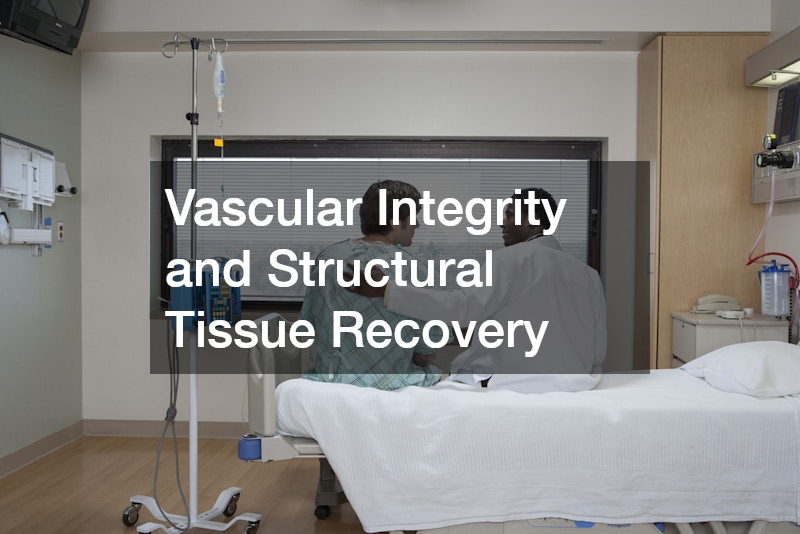
Vascular Integrity and Structural Tissue Recovery
Long-term illnesses, particularly post-viral conditions, often cause significant impairment in the vascular network and surrounding soft tissues. Endothelial inflammation can disrupt normal blood vessel elasticity and microvascular blood flow, impeding oxygen delivery to deep muscle tissues while allowing metabolic waste to accumulate. When venous return in the lower body is sluggish, blood pools in the legs upon standing, triggering severe orthostatic fatigue, rapid heart rate changes, and heavy physical discomfort that limits daily standing capacity.
Addressing vascular dysfunction requires expert clinical assessment. Consulting a qualified varicose vein specialist helps identify underlying venous insufficiency, damaged vascular valves, or impaired blood return in the lower extremities. When venous circulation is compromised, poor blood return to the heart accentuates systemic fatigue and increases tissue swelling. Treating compromised veins through modern, minimally invasive procedures restores efficient venous return, lightens lower extremity heaviness, and reduces autonomic cardiovascular strain during daily movement. Furthermore, evaluating overall microvascular circulation ensures that nutrient delivery and metabolic waste removal operate efficiently throughout deep muscular tissues.
In addition to vascular treatment, localized physical restrictions and surgical scar tissue can restrict fluid flow and irritate adjacent sensory nerves. Dense scar tissue frequently binds fascia layers, causing chronic muscle tension and neuro-vascular compression. Modern therapeutic treatments, including precise laser scar removal, help remodel dense collagen adhesions, reduce localized tissue inflammation, and restore elasticity to skin and underlying fascial layers. Softening restricting scar tissue releases trapped nerve endings and improves localized lymphatic drainage. Eliminating physical micro-obstructions removes continuous, subtle pain signals that silently drain physiological energy, allowing the autonomic nervous system to shift into a calmer state.
Fine-Tuning Endocrine Function and Nutrient Delivery
Cellular energy production and healing rely heavily on precise hormonal signals and optimal nutrient bioavailability. Prolonged physical stress, persistent viral burdens, and chronic systemic inflammation routinely alter endocrine pathways. The hypothalamus-pituitary-adrenal (HPA) axis often becomes exhausted, leading to erratic cortisol rhythms, sluggish thyroid hormone conversion, and low sex hormone production. When these vital chemical messengers drop, patients experience profound fatigue, mental brain fog, disrupted body temperature regulation, and low mood that hinders everyday functioning.
Re-establishing endocrine stability requires detailed laboratory testing and careful clinical oversight. When bioidentical lab testing reveals deep endocrine deficiencies, medical management incorporating tailored hormone replacement therapy can gently re-balance physiological hormone levels. Supplementing deficient hormones helps normalize basal metabolic rate, improves cellular stress tolerance, and encourages deep tissue restoration. Rather than forcing elevated hormone levels, the goal is to recreate natural biological equilibrium, providing tissues with the biochemical signals necessary for daily stamina and tissue maintenance.
Alongside hormone stabilization, cellular recovery demands high-grade, bioavailable nutrition. Systemic inflammation often increases intestinal permeability, compromising nutrient absorption and aggravating food sensitivities. While purchasing high-quality organic foods and clean nutritional supplements from a trusted health food store serves as a helpful step, dietary interventions must be customized to individual metabolic requirements. Integrative treatment plans prioritize nutrient-dense anti-inflammatory diets, targeted amino acids, and essential micro-nutrients to rebuild depleted liver glycogen and mitochondrial energy reserves. Supplying clean, nutrient-dense fuel minimizes digestive workload, freeing up significant cellular energy for tissue repair and long-term recovery.
Neuromuscular Realignment and Parasympathetic Activation
Sustained biological stress creates persistent muscle tightness, nerve irritation, and altered postural mechanics throughout the musculoskeletal system. When the human body remains locked in chronic muscular defense, oxygen consumption remains elevated, and normal lymphatic flow is severely hindered. Correcting underlying structural biomechanics and resetting hyper-sensitive spinal nerves represent essential components of comprehensive healing and pain reduction.
Collaborating with skilled chiropractors helps restore normal joint motion and correct spinal subluxations that maintain central nervous system hyper-vigilance. Gentle chiropractic adjustments relieve mechanical pressure on spinal nerves, promoting balanced autonomic signaling between the spinal cord, muscle groups, and internal organs. When structural alignment is re-established, continuous muscular guarding drops, dramatically reducing the biomechanical energy required for basic daily posture, sitting, and walking.
Complementing spinal adjustments, clinical needle therapies offer direct neuro-hormonal modulation. Consulting an experienced acupuncture doctor helps stimulate precise peripheral sensory pathways, encouraging the brain to release natural pain-relieving endorphins while soothing hyper-reactive nerve fibers. Clinical acupuncture effectively dampens chronic pain signaling within the central nervous system, reducing neuro-inflammation and enhancing micro-circulation around tight tissue beds. By systematically addressing both spinal structural health and nervous system hypersensitivity, patients experience reduced physical tension, improved mobility, and lower daily pain levels, making continuous progress much more manageable.
Long-Term Protocol Maintenance and Sustainable Healing
Overcoming complex chronic fatigue is not an overnight event; it is an evolving recovery process requiring regular assessment and flexible adjustments. As initial systemic flares subside and functional capacity increases, clinical priorities transition toward maintaining gains, preventing setbacks, and building long-term physiological resilience. Because health recovery is rarely linear, establishing a structured maintenance framework prevents sudden relapses during periods of elevated stress.
Sustaining long-term progress requires adapting physical conditioning as energy reserves grow. Engaging in ongoing physical rehab programs ensures that physical activities continue to progress safely alongside improving mitochondrial function. Maintenance activities emphasize core stability, postural stamina, and gentle cardiovascular capacity without overstepping cellular limits. Regular clinical check-ins allow care teams to modify exercise routines based on environmental stress shifts, seasonal changes, or minor health setbacks before they escalate.
Furthermore, maintaining close access to expert clinical guidance remains vital for long-term health preservation. Utilizing comprehensive physical therapy services on an ongoing or seasonal basis enables individuals to manage subtle joint imbalances or soft tissue tightness before they evolve into systemic fatigue triggers. Physical therapists provide regular evaluations to refine movement mechanics, address focal muscular tension, and optimize daily energy conservation routines. Careful monitoring and lifestyle adjustments ensure that long-term recovery remains stable, supporting a return to vibrant daily life.
By embracing an integrative medical protocol–uniting airway optimization, vascular restoration, endocrine balancing, spinal realignments, and monitored physical conditioning–individuals can systematically rebuild health from the ground up. Overcoming chronic illness requires patient dedication and multi-system care, but with an integrative framework, long-term vitality and active living are well within reach.