

Balanced living is no longer defined by a single habit or isolated health choice. Instead, it reflects how well multiple aspects of physical health, mental wellbeing, nutrition, recovery, and environment work together. People often focus on one area—such as diet or exercise—while overlooking sleep quality, emotional health, or preventive care. In reality, sustainable wellness comes from combining all of these elements into a consistent lifestyle.
This guide explores practical ways to build that balance. Each section focuses on a different part of everyday health and provides actionable strategies that can be applied immediately. Rather than emphasizing perfection, the goal is to create realistic routines that support long-term energy, mobility, and emotional stability.
- Creating Supportive Environments for Long-Term Independence
- Responding Quickly to Urgent Oral Health Needs
- Building Healthier Eating Habits Through Natural Food Sources
- Supporting Energy and Recovery Through Nutritional Therapies
- Strengthening Emotional Resilience Through Professional Support
- Improving Sleep Quality for Better Daily Performance
- Developing Sustainable Nutrition Habits for Long-Term Health
- Restoring Mobility and Reducing Pain Through Physical Care
Creating Supportive Environments for Long-Term Independence
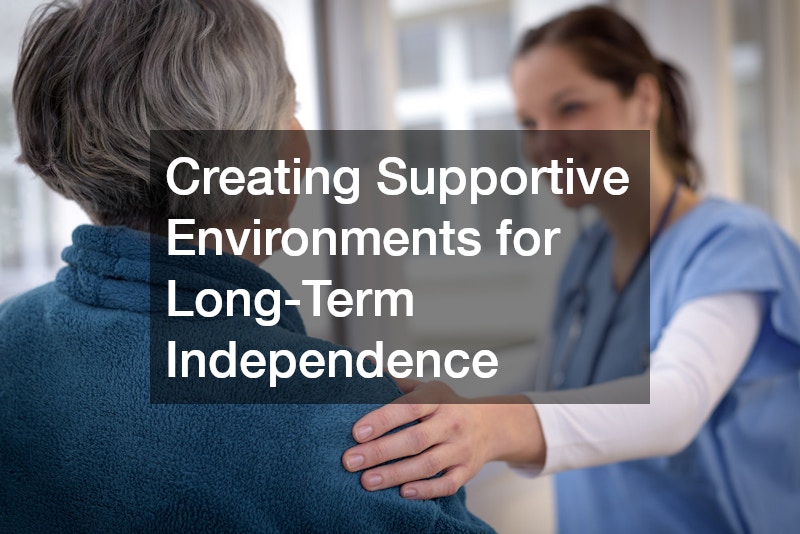
A healthy lifestyle begins with the environment a person lives in. Safety, social connection, and access to care all influence long-term wellbeing, especially for older adults or individuals managing chronic conditions. In many cases, structured environments such as assisted living communities provide not only safety but also daily support that reduces stress and improves quality of life. These settings are designed to balance independence with assistance, allowing residents to maintain autonomy while still having help available when needed.
Choosing the right living environment involves more than comparing amenities. It requires evaluating how well the setting supports independence while offering assistance when needed. It is also important to consider how adaptable the environment is as health needs change over time, since flexibility can prevent disruptive transitions later.
Key considerations include:
- Accessibility features such as ramps, handrails, and emergency systems
- Opportunities for social interaction and community engagement
- Availability of personalized care plans
- Staff responsiveness and medical coordination
- Cleanliness and comfort of shared and private spaces
- Access to wellness activities such as light exercise, recreation, or group programs
- Transportation support for medical visits, errands, and appointments
- Nutritional support that aligns with individual dietary needs
Maintaining independence is often a priority, but support systems can actually enhance it by reducing daily burdens. When individuals feel secure in their environment, they are more likely to stay socially active, physically engaged, and emotionally stable. This stability can also reduce risks related to isolation, missed medications, or unmanaged health conditions.
Family involvement is also important. Regular communication with care providers helps ensure that needs are being met and adjustments are made over time. Families can also play a role in encouraging participation in community activities and monitoring overall satisfaction with care services.
Responding Quickly to Urgent Oral Health Needs
Oral health is closely connected to overall health, yet it is often overlooked until problems become severe. Sudden dental pain or injury can disrupt daily life and may require immediate attention from an emergency dentist. Quick action not only relieves discomfort but also prevents complications such as infections, nerve damage, or long-term structural issues that could require more invasive treatment later. In some cases, delaying care can even lead to systemic infection, making early intervention especially important.
Common situations that require urgent care include:
- Severe toothaches or infections
- Broken or knocked-out teeth
- Swelling in the gums or jaw
- Sudden bleeding that does not stop
- Damage from accidents or biting hard objects
- Lost fillings or crowns that expose sensitive areas
- Signs of abscesses, such as pus or fever
Preventing emergencies begins with consistent oral care habits, which should be practiced daily rather than occasionally:
- Brushing at least twice daily with fluoride toothpaste
- Flossing to remove plaque between teeth and along the gumline
- Avoiding excessive sugary foods and acidic beverages that erode enamel
- Scheduling regular dental checkups and professional cleanings
- Using a soft-bristled toothbrush to reduce gum irritation
- Wearing protective mouthguards during sports or high-risk activities
It is also important to recognize early warning signs. Sensitivity, mild pain, gum irritation, or slight swelling should not be ignored, as these can escalate into more serious issues if left untreated. Even minor discomfort can indicate underlying decay or infection that may progress quickly without professional care.
Maintaining oral health contributes to broader wellness, as untreated dental conditions can affect digestion, cardiovascular health, and immune function. Good oral hygiene also supports confidence in daily interactions, reinforcing both physical and emotional wellbeing over time.
Building Healthier Eating Habits Through Natural Food Sources

Nutrition plays a central role in maintaining energy, immunity, and long-term health. One of the most effective ways to improve dietary habits is by increasing access to fresh, whole foods. Activities such as vegetable gardening encourage healthier eating while also promoting physical activity and mental relaxation. Over time, this hands-on approach can shift how individuals think about food, turning eating into a more intentional and health-focused practice rather than a convenience-based habit.
Growing food at home helps individuals become more aware of what they consume. It also reduces reliance on processed foods and increases intake of nutrient-rich produce. People who grow even a small portion of their own food often develop stronger appreciation for seasonal eating, which naturally supports dietary variety and nutrient balance.
Benefits of home gardening include:
- Improved access to fresh fruits and vegetables
- Greater control over food quality and pesticides
- Increased physical activity through planting and maintenance
- Stress reduction through outdoor activity
- Cost savings over time
- Reduced food waste due to harvesting only what is needed
- Encouragement of healthier cooking habits using fresh ingredients
Starting a garden does not require large space or advanced knowledge. Even small container gardens can produce herbs, leafy greens, or tomatoes. Urban dwellers can also utilize balconies, windowsills, or raised beds to grow a surprising amount of produce with minimal investment.
Simple steps for beginners:
- Choose easy-to-grow plants such as lettuce, spinach, or herbs
- Use nutrient-rich soil and proper drainage
- Ensure consistent sunlight exposure
- Water regularly but avoid overwatering
- Harvest produce at peak ripeness for best nutrition
- Rotate crops or containers to maintain soil health
- Start small and expand gradually as confidence builds
Gardening also encourages mindfulness, helping individuals slow down and connect with natural rhythms, which supports emotional balance as well. The routine of tending plants can create structure in daily life, reduce stress levels, and reinforce a sense of accomplishment, especially when meals are prepared using homegrown ingredients.
Supporting Energy and Recovery Through Nutritional Therapies
Modern wellness approaches increasingly include supportive therapies designed to improve hydration, nutrient absorption, and recovery. Treatments such as iv therapy and vitamin infusion therapy are used to deliver essential nutrients directly into the bloodstream for faster absorption and targeted support. Because they bypass the digestive system, these methods are sometimes used in clinical or wellness settings to address short-term deficiencies or to support recovery after periods of physical strain.
These approaches may be considered when individuals experience fatigue, nutrient deficiencies, or recovery needs following illness or physical stress. They are also sometimes explored by people with demanding schedules, athletes recovering from intense training, or individuals who struggle to maintain consistent nutrient intake through diet alone.
Potential benefits include:
- Faster hydration support
- Improved energy levels
- Immune system support
- Recovery assistance after intense physical activity
- Enhanced nutrient absorption compared to oral supplements
- Short-term replenishment of essential vitamins and minerals
- Support during periods of dehydration or illness recovery
While these therapies can be beneficial, they are not substitutes for a balanced diet. They are most effective when combined with proper nutrition, sleep, and physical activity. Relying on them without addressing underlying lifestyle habits may lead to temporary improvements rather than long-term wellness gains.
Important considerations include:
- Consulting qualified healthcare professionals before treatment
- Understanding individual nutrient needs through proper assessment
- Avoiding overuse or unnecessary supplementation
- Ensuring treatments are administered in safe clinical environments
- Reviewing potential interactions with existing health conditions or medications
- Using therapy as a complement, not a replacement, for dietary improvements
These therapies are best viewed as supportive tools within a broader wellness strategy rather than standalone solutions. When integrated thoughtfully, they can play a role in helping individuals restore balance during periods of stress, recovery, or increased physical demand.
Strengthening Emotional Resilience Through Professional Support
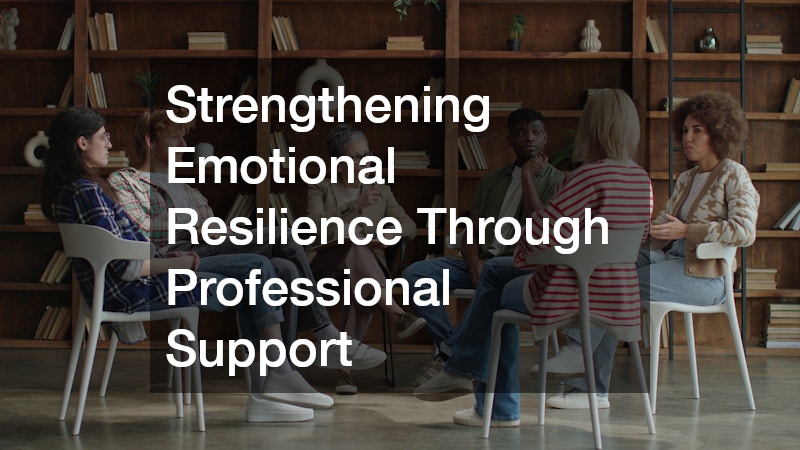
Mental and emotional wellbeing are essential components of overall health. Stress, anxiety, and unresolved emotional challenges can affect sleep, physical health, and daily functioning. Working with a local therapist provides structured support for managing emotional difficulties and building healthier coping strategies. Over time, this type of support can help individuals respond more effectively to challenges rather than reacting impulsively or feeling overwhelmed.
Therapy can address a wide range of concerns, including:
- Stress and burnout
- Anxiety and mood disorders
- Life transitions and grief
- Relationship challenges
- Behavioral patterns affecting daily life
- Low self-esteem or persistent negative thought patterns
- Difficulty managing work-life balance
Finding the right therapeutic approach often depends on personal comfort and goals. Some individuals benefit from cognitive strategies that focus on reframing thoughts, while others prefer talk-based or solution-focused approaches that emphasize practical problem-solving. The therapeutic relationship itself is also important, as trust and comfort significantly influence progress.
Practical steps for getting started:
- Identify personal goals for therapy
- Research providers with relevant experience
- Schedule initial consultations to assess compatibility
- Commit to consistent sessions for long-term progress
- Apply strategies learned in daily life between appointments
- Track emotional patterns to identify triggers and improvements
- Be open to adjusting approaches if progress feels limited
Emotional wellness improves decision-making, relationships, and physical health outcomes, making it a foundational part of balanced living. Strengthening this area of health can also improve resilience during stressful periods, helping individuals maintain stability even when external circumstances change.
Improving Sleep Quality for Better Daily Performance
Sleep is one of the most influential factors in overall health, yet it is often disrupted by stress, lifestyle habits, or underlying conditions. When sleep problems persist, evaluation through a sleep center can help identify causes such as sleep apnea, insomnia, or circadian rhythm disorders.
Professional sleep assessments typically involve monitoring breathing, movement, and brain activity during rest. This information helps guide effective treatment plans.
Common signs of sleep issues include:
- Persistent fatigue despite adequate sleep time
- Loud snoring or breathing interruptions
- Difficulty falling or staying asleep
- Morning headaches or grogginess
- Reduced focus and productivity during the day
Improving sleep quality also requires consistent habits:
- Maintaining a regular sleep schedule
- Limiting screen exposure before bed
- Creating a dark, quiet sleeping environment
- Avoiding caffeine late in the day
- Practicing relaxation techniques before sleep
Better sleep improves memory, mood regulation, immune function, and physical recovery.
Developing Sustainable Nutrition Habits for Long-Term Health

Nutrition guidance is essential for maintaining energy levels, preventing chronic disease, and supporting overall wellbeing. Working with a dietitian helps individuals create personalized eating plans that align with their health goals and lifestyle needs.
Unlike generic diet trends, professional guidance focuses on evidence-based strategies tailored to each individual.
Key benefits of nutritional support include:
- Personalized meal planning
- Weight management guidance
- Support for medical conditions such as diabetes or hypertension
- Improved digestion and energy balance
- Education on food choices and portion control
Practical steps for improving nutrition:
- Focus on whole, minimally processed foods
- Include a balance of protein, carbohydrates, and healthy fats
- Increase fiber intake through fruits, vegetables, and grains
- Stay hydrated throughout the day
- Plan meals ahead to reduce impulsive eating
Sustainable nutrition is not about restriction but about consistency and balance over time.
Restoring Mobility and Reducing Pain Through Physical Care
Physical movement is essential for independence, strength, and long-term health. When injuries or chronic pain limit mobility, working with a physical therapist can help restore function through targeted exercises and rehabilitation programs.
These programs are designed to improve strength, flexibility, and coordination while reducing pain.
Common conditions treated include:
- Back and neck pain
- Joint injuries
- Post-surgical recovery
- Sports injuries
- Mobility limitations due to aging
In addition to rehabilitation, some individuals benefit from spinal and musculoskeletal care provided by a chiropractor, which focuses on alignment and pain relief.
Together, these approaches support full-body function and mobility.
Practical recovery strategies include:
- Following prescribed exercise routines consistently
- Improving posture during daily activities
- Strengthening core muscles for stability
- Using ergonomic supports at work or home
- Gradually increasing physical activity levels
Maintaining mobility reduces injury risk and supports independence throughout life.
A balanced lifestyle is built through consistent attention to physical health, emotional wellbeing, nutrition, sleep, and recovery. No single habit defines wellness on its own; instead, it is the combination of multiple supportive practices that creates long-term stability and vitality.
By integrating these elements into daily life, individuals can build routines that support not only longer life but also better quality of life. The key is consistency, awareness, and a willingness to adjust habits as needs change over time.
