

Maintaining an active lifestyle is not just about consistent workouts or physical performance—it’s about creating a sustainable system that supports your body before, during, and after activity. Many people focus heavily on exercise routines but overlook the importance of recovery, preventative care, and long-term maintenance strategies that keep the body functioning at its best.
A truly supportive approach to health considers how movement, rest, nutrition, and professional care work together. When these elements are balanced, individuals experience fewer setbacks, better energy levels, and improved overall performance in both fitness and daily life.
This guide explores practical, real-world strategies that help active individuals stay strong, reduce injury risk, and maintain long-term wellness. Each section focuses on actionable steps that can be incorporated into everyday routines.
- Building a Strong Foundation for Recovery
- Preventing Physical Strain Before It Becomes a Problem
- Supporting Physical Readiness Through Routine Health Checks
- Enhancing Energy and Recovery Through Supportive Therapies
- Supporting Confidence and Self-Care in an Active Lifestyle
- Skin Health Maintenance for Active Individuals
- Maintaining Oral Health for Full-Body Wellness
- Creating a Sustainable Injury Prevention Strategy
- Long-Term Lifestyle Habits That Support Consistency
- Knowing When to Seek Professional Support
Building a Strong Foundation for Recovery
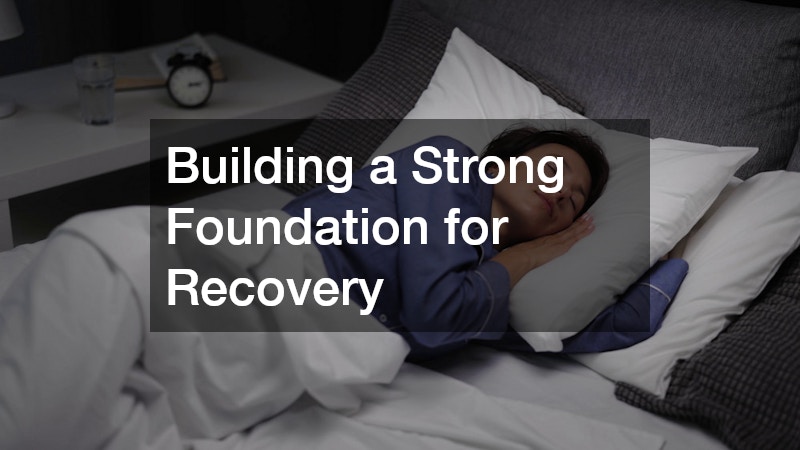
Recovery is one of the most overlooked aspects of an active lifestyle. Without proper recovery, the body becomes more prone to fatigue, decreased performance, and injury. What many people fail to realize is that improvement actually happens during recovery periods, not during the workout itself. When the body is under physical stress, it breaks down muscle fibers, depletes energy stores, and strains joints and connective tissue. Recovery is the rebuilding phase that allows the body to come back stronger.
Understanding how to recover effectively can significantly improve long-term consistency in physical activity. Many athletes and active individuals benefit from structured recovery environments, such as rehab centers, where guided programs help restore strength and mobility safely. These environments often provide access to trained professionals who can evaluate movement patterns, correct imbalances, and design individualized recovery plans that reduce the risk of reinjury. This kind of structured support is especially helpful for individuals returning to activity after long breaks or those dealing with recurring physical limitations.
Common recovery practices include:
- Prioritizing 7–9 hours of sleep for muscle repair
- Using light movement, such as walking or stretching, on rest days
- Applying heat or cold therapy, depending on soreness
- Staying hydrated to support tissue regeneration
- Incorporating mobility work to maintain joint health
- Eating protein-rich meals to support muscle rebuilding
- Scheduling rest days strategically rather than randomly
In some cases, unresolved sports injuries can interfere with progress and require more structured rehabilitation. Ignoring early signs of strain often leads to longer downtime later, as small issues gradually develop into chronic conditions. Even mild discomfort that persists beyond a few days should be monitored closely, especially if it affects movement quality or training performance.
A strong recovery foundation ensures the body is always prepared for the next challenge rather than constantly playing catch-up. Over time, individuals who prioritize recovery tend to experience fewer setbacks, greater training consistency, and improved overall physical resilience.
Preventing Physical Strain Before It Becomes a Problem
Prevention is far more effective than treatment for maintaining an active lifestyle. Small adjustments in movement, posture, and training habits can significantly reduce the risk of long-term issues. The key is recognizing that the body often gives early warning signals—tightness, stiffness, or slight discomfort—before a true injury develops. Ignoring these signals is one of the most common reasons active individuals end up sidelined for extended periods.
One of the most common concerns among active individuals is recurring discomfort that may eventually require low back pain treatment. This often stems from poor lifting mechanics, weak core muscles, or prolonged sitting outside of workouts. However, it can also develop from imbalanced training programs that overemphasize certain muscle groups while neglecting stabilizers that support the spine and pelvis.
To reduce injury risk:
- Strengthen the core and lower back muscles
- Incorporate mobility drills before workouts
- Avoid sudden increases in training intensity
- Focus on proper form rather than heavy loads
- Include rest days to allow soft tissue recovery
- Stretch hip flexors and hamstrings to reduce spinal tension
- Alternate high-impact and low-impact training sessions
Even minor sports injuries should be addressed early to prevent worsening conditions. What starts as mild discomfort can escalate if ignored, especially during repetitive physical activity. Many people try to “push through” discomfort, but this often leads to compensation patterns in which other muscles overwork to protect the injured area, creating additional strain elsewhere in the body.
Preventative care is about listening to the body and adjusting habits before pain becomes a barrier to movement. Over time, individuals who prioritize prevention tend to maintain higher levels of performance, experience fewer interruptions in their routines, and develop a more sustainable approach to fitness that supports lifelong activity rather than short-term gains.
Supporting Physical Readiness Through Routine Health Checks

Maintaining an active lifestyle also requires ensuring the body is medically prepared for physical demands. Regular evaluations help identify risks that may not be visible through symptoms alone. Many health conditions develop gradually and silently, meaning an individual may feel “fine” while still experiencing underlying changes in blood pressure, cardiovascular efficiency, or joint health. Routine checkups help close this gap between perception and reality, offering a clearer picture of overall physical readiness.
Routine screenings such as DOT physicals are especially useful for individuals with physically demanding jobs or active training schedules. These evaluations assess cardiovascular health, vision, and overall physical readiness. They also help ensure that the body can safely handle prolonged exertion, which is particularly important for people who combine occupational physical demands with recreational fitness activities. In many cases, these screenings can reveal early warning signs that prompt helpful lifestyle adjustments before more serious issues develop.
Benefits of regular health checks include:
- Early detection of underlying conditions
- Improved safety during physical activity
- Better understanding of personal fitness limits
- Guidance for safe exercise progression
- Monitoring blood pressure, heart rate, and metabolic markers
- Identifying potential risk factors for overexertion or fatigue
- Creating a baseline for future health comparisons
Beyond the physical measurements, these evaluations also provide psychological reassurance. Knowing that the body is functioning within healthy ranges allows individuals to train with greater confidence and reduced anxiety about potential hidden risks. This mental clarity often translates into better performance, as individuals are more willing to push themselves appropriately within safe limits.
When the body is properly assessed, individuals can train with more confidence and reduce the risk of unexpected complications during activity. Over time, consistent monitoring fosters a proactive health mindset, where maintenance becomes a routine part of lifestyle management rather than a reactive response to problems after they arise.
Enhancing Energy and Recovery Through Supportive Therapies
Modern wellness strategies often include supportive treatments that complement traditional recovery methods. These approaches can help improve energy levels, hydration, and overall recovery efficiency, especially for individuals who train frequently or engage in high-intensity physical activity. As training demands increase, the body may require additional support to restore balance more efficiently between sessions, particularly when natural recovery windows are shortened due to busy schedules or repeated exertion.
Treatments like IV therapy are sometimes used by active individuals to replenish nutrients and fluids more efficiently after intense physical exertion. While not a replacement for proper nutrition, they can support recovery in certain situations. These therapies are often chosen after endurance events, heavy training cycles, or periods of physical depletion, during which hydration and electrolyte balance may be disrupted. When used appropriately, they may help individuals feel restored more quickly, though results can vary by person and context.
Some people also explore alternative medicine practices such as herbal supplementation, acupuncture, or holistic recovery techniques to support overall wellness. These methods often focus on improving circulation, reducing stress, and promoting the body’s natural healing processes. While scientific support may vary depending on the modality, many individuals incorporate them into a broader wellness routine that emphasizes balance and consistency.
Helpful considerations include:
- Using supportive therapies as a complement, not a replacement
- Ensuring treatments are guided by qualified professionals
- Monitoring how the body responds to different approaches
- Combining therapy with rest and nutrition for the best results
- Avoiding over-reliance on any single recovery method
- Prioritizing evidence-based practices alongside holistic options
- Scheduling therapies strategically around training intensity
It is also important to recognize that recovery is highly individual. What works effectively for one person may not produce the same results for another, depending on factors such as fitness level, diet, sleep quality, and stress load. Tracking personal responses over time can help refine which therapies provide meaningful benefits.
A balanced approach ensures recovery is both effective and sustainable. When supportive therapies are integrated thoughtfully into a broader health plan, they can enhance consistency, reduce burnout, and help individuals maintain long-term performance without compromising overall well-being.
Supporting Confidence and Self-Care in an Active Lifestyle

Physical health and self-confidence are closely connected. When individuals feel good about their appearance, they are often more motivated to maintain healthy routines.
Some people choose aesthetic enhancements such as Botox to address fine lines or facial tension that can develop over time. Others rely on beauty salon services to maintain grooming, skincare, and overall appearance.
Ways to support self-care include:
- Establishing a consistent skincare routine
- Protecting skin from sun exposure during outdoor activity
- Staying hydrated to improve skin elasticity
- Scheduling regular grooming or maintenance sessions
Confidence plays a major role in motivation, and self-care routines can help reinforce long-term commitment to an active lifestyle.
Skin Health Maintenance for Active Individuals
Active lifestyles often expose the skin to sweat, sun, and environmental stressors. Proper skin maintenance is essential to prevent irritation and long-term damage.
Working with local estheticians can help individuals develop personalized skincare routines tailored to their activity levels and skin type. Regular visits to a beauty salon can also support deep cleansing and skin rejuvenation.
Practical skin care tips:
- Cleanse skin immediately after workouts
- Use non-comedogenic moisturizers
- Apply sunscreen daily, even on cloudy days
- Schedule professional treatments seasonally
Healthy skin contributes not only to appearance but also to comfort and long-term wellness.
Maintaining Oral Health for Full-Body Wellness

Oral health is often overlooked in discussions about fitness and lifestyle, but it plays a significant role in overall well-being. Poor dental health can affect energy levels, nutrition, and even confidence.
Regular visits to aesthetic dentists help maintain both function and appearance. Preventive care helps ensure that minor issues do not develop into more serious concerns over time.
Key oral health habits include:
- Brushing and flossing consistently
- Avoiding excessive sugar intake
- Staying hydrated to support saliva production
- Scheduling routine dental cleanings
A strong oral care routine supports both physical health and self-esteem.
Creating a Sustainable Injury Prevention Strategy
Injury prevention is essential for maintaining long-term physical activity. Without proper structure, even experienced individuals can develop chronic issues over time.
Facilities such as rehab centers often offer structured programs that help individuals rebuild strength and prevent recurring problems. This is especially important for those recovering from sports injuries.
Effective prevention strategies include:
- Consistent warm-up and cool-down routines
- Balanced strength training across muscle groups
- Regular mobility and flexibility work
- Gradual progression in training intensity
Recognizing early signs of strain is critical. Addressing minor issues early reduces downtime and supports long-term performance.
Long-Term Lifestyle Habits That Support Consistency
Sustaining an active lifestyle requires more than exercise—it requires consistent daily habits that support energy, recovery, and mental well-being.
Some individuals incorporate alternative medicine practices to support stress management and overall balance. Others use IV therapy occasionally to support hydration and nutrient replenishment during intense periods of activity.
Helpful long-term habits:
- Maintaining consistent sleep schedules
- Managing stress through mindfulness or breathing techniques
- Eating nutrient-dense, balanced meals
- Scheduling regular rest periods
Consistency is more important than perfection when building sustainable health habits.
Knowing When to Seek Professional Support
There comes a point when self-care is not enough, and professional guidance becomes necessary. Recognizing this early can prevent minor issues from becoming long-term limitations.
Persistent discomfort may require evaluation for low back pain treatment, especially if it interferes with daily movement or exercise routines. Ignoring ongoing pain often leads to more serious complications.
Similarly, individuals with physically demanding roles may benefit from regular DOT physicals to ensure continued readiness and safety.
Important signs to seek help include:
- Pain lasting longer than the expected recovery time
- Decreased range of motion or strength
- Recurring injuries in the same area
- Fatigue that does not improve with rest
Professional support ensures that active individuals can continue their routines safely and effectively.
Maintaining an active lifestyle is a continuous process that requires balance, awareness, and proactive care. It is not enough to focus solely on exercise—true long-term success comes from integrating recovery, prevention, and supportive wellness strategies into everyday life.
By paying attention to the body’s signals, seeking appropriate care when needed, and building consistent habits, individuals can sustain high levels of performance and well-being over time. The key is to approach health as a system where every component—movement, rest, nutrition, and professional support—works together to create lasting strength and vitality.
