
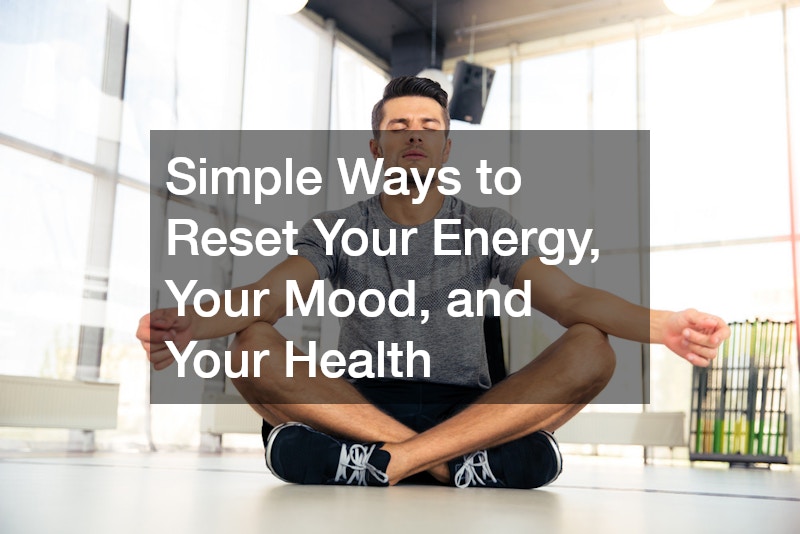
Life moves fast, and it can leave you feeling drained, anxious, or physically off-balance. The good news is that regaining your energy, improving your mood, and supporting your overall health doesn’t always require massive overhauls. Often, small, intentional changes can make a significant difference. From fine-tuning daily habits to seeking expert guidance when necessary, there are practical strategies you can use to restore balance. By incorporating a variety of approaches—physical, emotional, and environmental—you can reset your body and mind and maintain long-term wellness. This guide dives deep into actionable methods to help you reclaim vitality, focus, and overall well-being.
Whether your fatigue stems from stress, poor sleep, or minor health issues, resetting requires both awareness and structured action. The following sections explore ways to rejuvenate your energy levels, lift your mood, and improve your health using evidence-based techniques. We will cover strategies ranging from physical activity and diet adjustments to self-care practices and professional support. Each section provides detailed steps and tips that are easy to implement, with examples you can adapt to your routine. The ultimate goal is to help you feel more energized, emotionally balanced, and physically resilient.

- Optimize Your Foundation With Professional Health Guidance
- Revitalize Your Body Through Targeted Movement
- Prioritize Recovery Through Quality Rest
- Relieve Tension Through Targeted Self-Care
- Refresh Your Nutrition and Meal Habits
- Support Oral Health to Boost Overall Well-Being
- Enhance Relaxation Through Aesthetic and Wellness Treatments
- Create a Calming and Functional Home Environment
- Upgrade Your Living Spaces for Long-Term Health Benefits
- Prioritize Social Engagement and Stress-Relief Activities
Optimize Your Foundation With Professional Health Guidance
Your first step toward resetting is understanding your current health baseline. Consulting a primary care physician ensures that fatigue, stress, or mood changes aren’t related to underlying medical conditions. Routine check-ups can uncover vitamin deficiencies, thyroid imbalances, or other issues that subtly drain energy. A physician can also recommend tailored lab work, preventive screenings, and lifestyle guidance to optimize your physical health. Addressing health concerns early prevents minor issues from escalating into chronic problems.
In addition to medical guidance, small daily adjustments reinforce your foundation. This includes drinking adequate water, ensuring balanced nutrition, and getting sufficient sleep. Combining professional recommendations with mindful lifestyle adjustments sets the stage for improved energy and mood. Regular monitoring, even if just noting energy levels, diet, and sleep quality, helps you identify patterns and areas for improvement. This proactive approach empowers you to maintain wellness instead of reacting to setbacks. Health resets work best when informed by both expertise and consistent personal observation.
Revitalize Your Body Through Targeted Movement
Exercise is one of the most direct ways to restore energy and improve mood. Beyond traditional gym workouts, consider joining adult karate classes, which combine cardiovascular activity, strength training, and mental focus. Martial arts promote flexibility, core stability, and balance while also offering mindfulness benefits, as each session encourages present-moment awareness. Structured movement routines like this reduce cortisol levels, increase endorphins, and foster a sense of accomplishment. Regular practice improves posture, coordination, and confidence, all of which enhance overall well-being.
For those seeking lower-impact options, activities such as brisk walking, yoga, or swimming can also deliver restorative benefits. The key is consistency and variety to keep your body challenged but not overtaxed. When you integrate movement into your daily routine, your energy levels gradually improve, and your overall physical resilience increases. Additionally, regular exercise positively affects sleep patterns and helps regulate appetite. Choosing activities that are enjoyable rather than obligatory ensures you sustain them long term.
Prioritize Recovery Through Quality Rest
Sleep is foundational to energy, mood, and overall health, yet many people neglect it. Investing in restorative sleep can have immediate and long-lasting effects on your vitality. One practical step is evaluating your mattress and sleep environment. Shopping at a reputable mattress store allows you to test different firmness levels, materials, and designs, ensuring your bed supports spinal alignment and reduces pressure points. Quality bedding promotes uninterrupted sleep cycles, which are critical for hormonal balance and mental clarity.
Alongside a supportive mattress, establishing a consistent sleep routine reinforces your circadian rhythm. Limit caffeine and screen exposure in the hours before bed, dim lighting in your bedroom, and maintain a comfortable room temperature. Naps can be helpful, but should be timed to avoid disrupting nighttime sleep. Journaling or mindfulness exercises before bed help release mental clutter that interferes with rest. By prioritizing quality sleep and a supportive environment, you set the stage for improved energy, mental clarity, and emotional stability.

Relieve Tension Through Targeted Self-Care
Chronic muscle tension and stress can sap energy and worsen mood, even when diet and sleep are optimized. Scheduling sessions with massage therapists can alleviate physical tension, improve circulation, and encourage relaxation. Regular massage supports recovery from physical activity, reduces muscular pain, and promotes a calm nervous system. Beyond professional treatment, daily practices like stretching, foam rolling, or progressive muscle relaxation complement these sessions for sustained relief. Incorporating these methods consistently prevents tension from building up over time.
Self-care doesn’t end with physical interventions; it also includes structured downtime. Incorporating 10–15 minutes of quiet meditation, breathing exercises, or guided relaxation can reset your nervous system throughout the day. Mind-body practices improve focus, reduce stress hormone levels, and foster emotional resilience. Combining professional support with at-home routines creates a comprehensive system for managing physical and emotional tension. This integrated approach maximizes both immediate relaxation and long-term well-being.
Refresh Your Nutrition and Meal Habits
Food is fuel, and the quality of what you consume directly affects your energy, mood, and health. Start by examining meal composition, frequency, and nutrient density. Balancing macronutrients—protein, healthy fats, and complex carbohydrates—supports steady energy levels and reduces blood sugar spikes. Including micronutrient-rich foods like leafy greens, nuts, and fruits can improve cognitive function and mood regulation. Hydration is equally crucial, as even mild dehydration can lead to fatigue and irritability.
For convenience and inspiration, explore local restaurants offering balanced, fresh options when cooking at home isn’t possible. You can also implement small habits to maximize nutrient intake and stabilize energy:
- Prepare balanced meals with lean proteins and vegetables.
- Keep healthy snacks available to avoid sugar crashes.
- Drink water consistently throughout the day.
- Limit processed foods and refined sugars.
Consistently applying these simple habits ensures sustained energy and mood support. Over time, your body becomes better fueled to handle stress, improve focus, and maintain overall health. These small, intentional changes also help stabilize blood sugar levels, preventing energy crashes throughout the day. Additionally, developing a routine around mindful eating reinforces a sense of control and balance, which positively impacts both physical and mental well-being.
Support Oral Health to Boost Overall Well-Being
Oral health is intricately connected to systemic health, affecting digestion, inflammation levels, and self-confidence. Maintaining routine check-ups with a local dentist and consulting an oral surgeon when necessary ensures problems like cavities, gum disease, or bite misalignment don’t compromise overall wellness. Addressing these issues early can prevent chronic discomfort, pain, and infections that drain energy and affect mood. Dental care also supports proper nutrition, as healthy teeth and gums make it easier to consume a balanced diet. In addition to professional care, daily oral hygiene practices are essential:
- Brush teeth twice daily with fluoride toothpaste.
- Floss daily to remove plaque and debris.
- Use an antimicrobial mouthwash to reduce bacteria.
- Avoid excessive sugar and acidic foods.
Integrating these habits into your routine reinforces overall well-being and prevents energy-sapping problems before they start. By prioritizing oral health, you reduce hidden stressors on your body and maintain the confidence that comes with a healthy smile. Consistent oral care also supports better digestion and nutrient absorption, since healthy teeth and gums make it easier to eat a balanced diet. Over time, these small habits contribute to improved energy, reduced inflammation, and a stronger foundation for overall health.
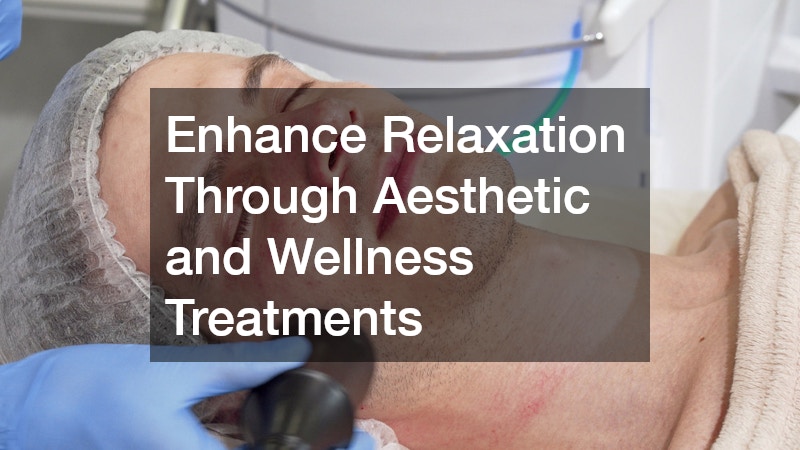
Enhance Relaxation Through Aesthetic and Wellness Treatments
Aesthetic and wellness treatments are often underestimated tools for boosting energy, mood, and self-care. Utilizing med spa services like facials, skin treatments, or body contouring provides both physical and psychological benefits. Professional treatments can address issues like skin dehydration, tension in facial muscles, and overall appearance concerns, contributing to confidence and mental well-being. These treatments also serve as structured “reset” sessions, giving your mind a break from daily stressors while improving self-perception.
Self-care routines at home can reinforce the benefits of professional services. Hydrating, gentle skincare, and mindful rituals after treatments extend their positive effects. Even small routines, such as facial massage or exfoliation, promote circulation and relaxation. Combining professional support with consistent home care creates a sustainable approach to physical rejuvenation. This integrated strategy highlights the importance of balancing indulgence with practical self-care to improve mood, energy, and overall wellness.
Create a Calming and Functional Home Environment
Your living space profoundly influences energy levels, mental clarity, and overall health. Cluttered or poorly organized areas can increase stress and drain motivation. Investing in practical upgrades from a furniture store enhances both comfort and functionality, supporting efficient routines and mental well-being. Ergonomically designed furniture and thoughtfully arranged spaces reduce physical strain, support posture, and create an environment conducive to relaxation and productivity. Simple environmental adjustments also have significant psychological effects. You can:
- Incorporate natural light and plants to uplift mood.
- Use soothing colors in frequently used spaces.
- Maintain a clutter-free environment for focus and calm.
- Create dedicated areas for work, relaxation, and sleep.
Functional spaces support daily rituals such as exercise, cooking, and mindfulness practice, amplifying the benefits of your reset routine. A home designed intentionally for comfort and usability creates a supportive backdrop for physical, mental, and emotional rejuvenation. Thoughtful placement of furniture and clear pathways reduces stress and friction in daily activities, allowing you to move through your space efficiently. Even small adjustments, like a designated meditation corner or a well-organized kitchen, can encourage consistency in healthy habits and make self-care feel effortless.
Upgrade Your Living Spaces for Long-Term Health Benefits
Certain home improvements can directly impact your energy and overall well-being. Working with a bathroom remodeling company allows you to create spaces optimized for relaxation and hygiene. Features such as walk-in showers, ergonomic vanities, and improved ventilation enhance daily routines, reduce physical stress, and support mental clarity. Functional upgrades also encourage consistent self-care, from personal hygiene to relaxation practices like baths or meditative routines. These improvements reduce friction in your daily life and make self-care more achievable.
Beyond the bathroom, thoughtful renovations consider ergonomics, lighting, and material quality. Selecting low-VOC paints, slip-resistant flooring, and well-planned layouts contributes to a healthier indoor environment. Investing in these improvements is a proactive strategy for sustaining wellness over time. When your living space supports your daily health routines, you reduce friction in habits that maintain energy, mood, and resilience. Small but intentional upgrades create a home environment that consistently fosters vitality and well-being.

Prioritize Social Engagement and Stress-Relief Activities
Connecting with others and engaging in enjoyable activities is critical for mental health and sustained energy. Participating in hobbies, group classes, or social meet-ups provides both stimulation and relaxation. Whether it’s a cooking night, group fitness, or cultural events, consistent social engagement improves mood, reduces loneliness, and combats stress. Scheduling activities deliberately ensures that social and personal enrichment remain part of your routine.
Incorporating regular leisure activities can also complement physical wellness strategies. Mindful walks with friends, exercise classes, or creative workshops encourage both movement and emotional recharge. Planning outings to local restaurants for shared meals or community events provides additional opportunities to reset your energy while strengthening relationships. Balancing structured social engagement with downtime ensures that you maintain energy without overextending. Thoughtful integration of social wellness into daily life reinforces the cumulative effects of all other reset strategies.
Resetting your energy, mood, and health is an intentional process that combines professional guidance, physical activity, sleep, nutrition, and supportive environments. Small, consistent actions—like consulting your primary care physician, incorporating restorative movement, prioritizing sleep, and maintaining your home—compound into significant improvements in wellbeing. Mental, emotional, and physical self-care all play interconnected roles in this reset process. By addressing tension, nutrition, environment, and social engagement, you can sustainably enhance vitality and emotional balance.
Ultimately, the most effective reset strategies are those that are practical, consistent, and tailored to your lifestyle. Implementing these approaches empowers you to navigate daily challenges with more energy, a positive mindset, and improved health. Whether through professional support, structured routines, or intentional home improvements, a comprehensive approach ensures lasting benefits. Resetting isn’t a one-time fix—it’s a lifestyle adjustment that rewards consistent attention and care.
