
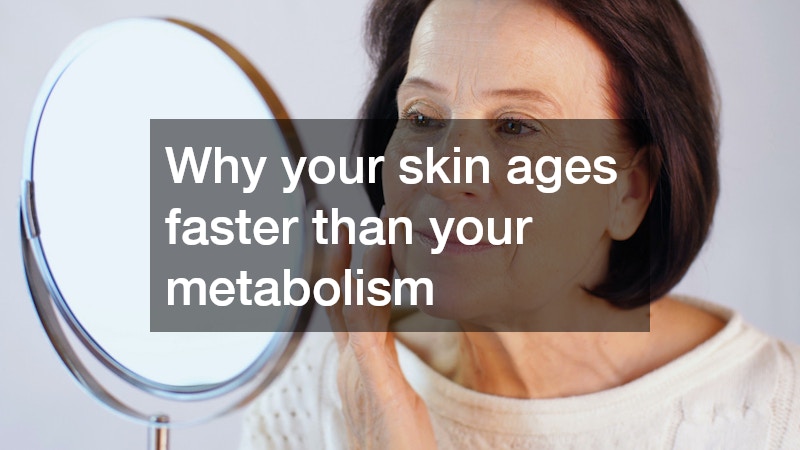
You can run five miles, eat clean all week, and keep your metabolic health in great shape, yet still catch your reflection and think you look years older than you feel. That disconnect is not in your head. Skin ages through a different set of biological processes than the ones that drive your metabolism, which means a fast metabolism does not protect your face from sun damage, collagen loss, or fine lines. Understanding why these systems age at different speeds is the first step toward making smarter, more targeted choices for your skin. This article breaks down the science and gives you a realistic roadmap for addressing what your metabolism alone cannot fix.
- The Biology Behind Two Different Aging Clocks
- Sun Exposure and Its Outsized Role in Visible Aging
- Collagen Decline and Why It Outpaces Metabolic Slowdown
- Skincare Routines That Support Long Term Skin Health
- Lifestyle Habits That Influence Skin Aging Independent of Metabolism
- When Skin Changes Signal a Need for Professional Evaluation
- Caring for Aging Skin in Family Members and Loved Ones
- Whole Body Health Habits That Round Out a Skin Care Strategy
The Biology Behind Two Different Aging Clocks
Your metabolism is driven largely by internal chemistry, hormone regulation, and cellular energy production, all of which your body works hard to keep stable regardless of what is happening outside. Skin, on the other hand, sits at the direct interface with the environment, absorbing ultraviolet radiation, pollution, and humidity changes every single day. This means skin cells accumulate external damage at a rate your internal metabolic processes simply do not experience. Collagen and elastin breakdown is a structural, visible process, while metabolic aging is largely invisible and measured through blood markers rather than appearance.
Researchers describe skin aging as a combination of intrinsic aging, which is genetically programmed and slow, and extrinsic aging, which is caused by outside forces and can happen much faster. Extrinsic factors are responsible for the majority of visible aging most people notice in their thirties and forties. That is why two people with similar metabolic health can have dramatically different looking skin depending on their sun exposure history and skincare habits.
Sun Exposure and Its Outsized Role in Visible Aging
Ultraviolet light penetrates deep into the dermis and breaks down collagen fibers faster than almost any other single factor, including diet or sleep quality. This process, called photoaging, accounts for up to ninety percent of the visible skin changes people attribute to getting older. Unlike metabolic decline, which happens gradually over decades, sun damage can compound noticeably within just a few unprotected summers.
Many people do not realize that windows in cars and homes only block some UV rays, meaning daily incidental exposure adds up even without intentional sunbathing. Wearing broad spectrum sunscreen daily is the single most cost effective way to slow this specific type of aging. It is also worth noting that eye strain from squinting in bright light contributes to premature crow’s feet, so scheduling regular visits with an optometrist to update your prescription and reduce squinting can have a small but real cosmetic benefit over time.
Collagen Decline and Why It Outpaces Metabolic Slowdown
Collagen production starts declining by about one percent per year starting in your mid twenties, a timeline that is largely disconnected from metabolic rate. This means even people with excellent metabolic markers still lose the structural scaffolding that keeps skin firm and plump. The result is a visible gap between how youthful someone feels internally and how their skin actually looks.
Professional treatments have become more accessible for addressing this specific issue rather than waiting for topical products to catch up. A skin tightening laser treatment works by stimulating deeper collagen remodeling, which can noticeably improve firmness in ways that creams alone cannot achieve. These treatments do not reverse the clock entirely, but they target the exact structural decline that your metabolism has no influence over.
- Collagen loss accelerates further after menopause due to hormonal shifts
- Smoking speeds up collagen breakdown independent of metabolic health
- Vitamin C and retinoids can support collagen synthesis at the surface level
- Professional in office treatments target deeper layers than topical products reach
Skincare Routines That Support Long Term Skin Health
A consistent skincare routine does more for visible aging than almost any internal health metric, which is part of why skin and metabolism can seem so out of sync. Cleansing, exfoliating, and moisturizing regularly help maintain the skin barrier, which becomes more fragile with age and environmental exposure. Many people benefit from professional guidance rather than guessing which products actually address their specific skin concerns.
Regular facials performed by licensed estheticians can help with deep exfoliation, hydration, and early detection of issues that might otherwise go unnoticed until they become more visible. These appointments also give you a chance to track changes in your skin over time with a trained eye, similar to how you would track other health metrics. Combining professional treatments with a simple daily routine tends to produce more consistent results than relying on either approach alone.
Lifestyle Habits That Influence Skin Aging Independent of Metabolism
Sleep quality, hydration, and stress levels all affect skin appearance through pathways that are separate from metabolic function. Chronic stress raises cortisol, which breaks down collagen and can trigger inflammatory skin conditions regardless of how efficiently your body burns calories. Dehydration shows up almost immediately on the skin’s surface as dullness and fine lines, even in people who are otherwise in excellent physical condition.
Physical activity does support skin health indirectly by improving circulation and reducing inflammation, but the effect is modest compared to direct skin care interventions. Working with personal trainers can help you build an exercise routine that supports overall circulation and stress reduction, which indirectly benefits skin tone. Still, exercise alone will not compensate for years of unprotected sun exposure or a lack of consistent skincare.
When Skin Changes Signal a Need for Professional Evaluation
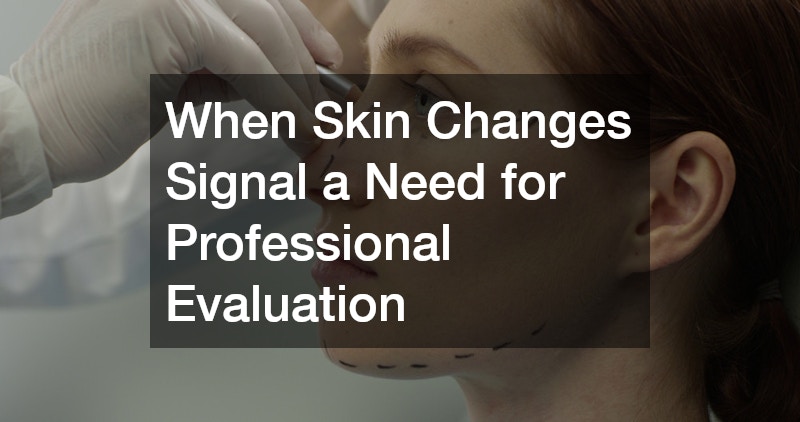
Not every skin change is purely cosmetic, and some warrant a conversation with a medical professional rather than a spa appointment. Rapid changes in moles, unusual pigmentation, or lesions that do not heal should be evaluated promptly rather than covered up with makeup or ignored. In rare cases of sudden severe reactions, such as extreme allergic responses affecting the skin, a trip to the er is the appropriate and necessary step rather than waiting for a scheduled appointment.
For less urgent but still important concerns, plastic surgeons and dermatologists can offer both medical and cosmetic guidance on how to address structural skin aging safely. These professionals can also advise on which combination of treatments, from injectables to surgical options, best matches your goals and skin type. Getting a professional opinion before committing to any invasive procedure helps ensure you choose an approach suited to your specific aging pattern.
Caring for Aging Skin in Family Members and Loved Ones
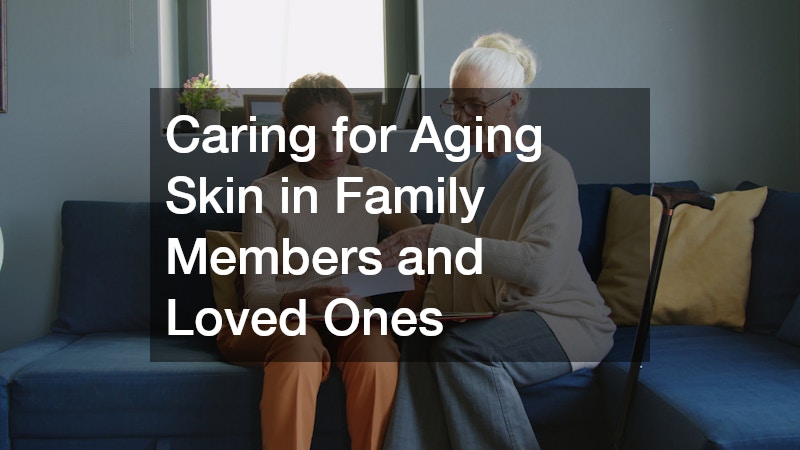
Skin aging becomes a more complex issue when caring for elderly family members, particularly those with reduced mobility or cognitive decline. After age 70, skin can lose up to 20% of its thickness, leaving it thin, fragile, and prone to tearing, bruising, and slow healing. This is why caregivers need to shift away from harsh soaps and alcohol-based products in favor of gentle, fragrance-free cleansers and thicker, more emollient moisturizers applied at least twice daily. Pressure points deserve special attention, since reduced mobility increases the risk of pressure sores and skin breakdown at the heels, elbows, hips, and tailbone. Repositioning bedbound or wheelchair-bound family members every two hours, along with using padded supports, can prevent minor irritation from turning into serious wounds. Checking these areas daily for redness, discoloration, or warmth allows problems to be caught before they worsen. Cognitive decline adds another layer of difficulty, as loved ones with dementia may resist skincare routines, forget they’ve already bathed, or struggle to communicate discomfort or pain. Caregivers often need to simplify routines to a few key steps, use calm and consistent language, and choose products with minimal fragrance or texture that might cause agitation. Watching for nonverbal cues like grimacing or flinching can help identify skin issues when verbal communication isn’t reliable. Finally, medications commonly prescribed to older adults—including blood thinners, diuretics, and corticosteroids—can further thin the skin or increase bruising and dryness. Keeping a simple log of skin changes, along with regular check-ins with a physician or dermatologist, helps caregivers stay ahead of complications rather than reacting to them after the fact.
Aging skin becomes especially fragile in older adults with dementia or limited mobility, since thinning skin, reduced circulation, and incontinence combine to raise the risk of tears, bruising, and pressure sores. Families managing care for a relative with dementia sometimes find that staff in memory care assisted living communities are trained to handle these specific skin fragility issues as part of daily hygiene routines, including gentle bathing techniques, moisture barrier creams, and routine skin checks that catch early signs of breakdown before they become serious wounds. Pressure sores, in particular, can develop within just two to three hours of unrelieved pressure on a bony area like the heels, hips, or tailbone, which is why trained caregivers reposition residents on a set schedule and inspect skin at every shift change. This kind of vigilance is difficult for family members to sustain alone, especially when balancing work and other responsibilities. For veterans who prefer to remain in their own homes, arranging in home veteran care can ensure similar attention to skin integrity, hydration, and pressure sore prevention without requiring a facility transition. Many in-home caregivers are trained to recognize early warning signs, such as redness that doesn’t fade after repositioning, unusual dryness, or small skin tears from adhesive bandages and clothing friction, and to adjust bathing products, hydration schedules, and mobility routines accordingly. Both options highlight how skin care needs shift dramatically with age and health status, independent of any metabolic changes. Whether care happens in a memory care community or at home, consistent monitoring, proper moisturizing, and quick attention to minor skin issues can prevent small problems from becoming painful, slow-healing wounds.
Whole Body Health Habits That Round Out a Skin Care Strategy

While skin deserves its own dedicated attention, it does not exist in isolation from the rest of the body’s health systems. Postural issues and chronic tension can contribute to visible facial strain and tension lines over time, particularly around the forehead, jaw, and neck, where habitual muscle bracing tends to accumulate. This is one reason some people find that seeing a chiropractor for alignment issues indirectly reduces tension related facial creasing, especially when the underlying tightness stems from cervical spine misalignment or forward head posture. Jaw clenching and teeth grinding, often tied to stress or a misaligned bite, can also deepen expression lines around the mouth and chin. Improving posture, whether through chiropractic adjustments, physical therapy, or simple ergonomic changes at a desk, can ease some of that chronic muscular load. Better circulation from regular movement and spinal alignment may also support nutrient delivery to facial tissue, though this effect is modest compared to direct skincare interventions. Sleep position matters here too, since sleeping face-down or on one side repeatedly can compound both postural strain and mechanical creasing of the skin against a pillow. Addressing musculoskeletal health is not a substitute for skincare, but it can complement a broader wellness approach, especially for people whose facial tension patterns are rooted in physical habits rather than skin biology alone.
Pet owners juggling their own health routines alongside animal care sometimes overlook how stress from unexpected situations affects their own skin and sleep patterns. A middle-of-the-night limp, a sudden bout of vomiting, or an accidental swallowing of something toxic can send cortisol levels spiking for hours, and that stress hormone response doesn’t just disappear once the crisis passes. Elevated cortisol breaks down collagen, disrupts the skin’s moisture barrier, and can trigger flare-ups of conditions like eczema or acne. Knowing where the nearest pet urgent care facility is located before you actually need it can reduce the acute stress of a pet emergency, which in turn protects your own cortisol levels and, indirectly, your skin. Simple prep work helps: save the clinic’s address and phone number in your contacts, keep a pet first-aid kit stocked at home, and jot down your pet’s weight and medications somewhere easy to grab. That few minutes of advance planning can shave critical time off a stressful search when adrenaline is already running high. The sleep disruption that follows a pet health scare compounds the problem further. Losing even one night of quality rest measurably increases fine lines, under-eye puffiness, and slower skin barrier recovery the next day. Reducing sources of chronic stress in daily life, including the low-grade anxiety of not having an emergency plan for your pets, is a small but meaningful piece of the larger skin aging puzzle.
Your metabolism and your skin are running on separate timelines, shaped by different biological drivers and different amounts of environmental exposure. Recognizing this gap allows you to stop expecting good metabolic health to automatically translate into youthful looking skin. Instead, focus on sun protection, consistent skincare, professional guidance when needed, and stress reduction as the real levers for slowing visible aging. Start with one or two changes from this list, and build a routine that treats your skin as the distinct system it truly is.
