

Healthy routines play an important role in maintaining physical health, emotional well-being, and independence. Every day choices influence energy levels, mobility, sleep quality, and the ability to manage responsibilities as people age. Although improving health can seem overwhelming, lasting progress often begins with small changes that fit naturally into an existing schedule.
A sustainable lifestyle does not require expensive products or a complicated wellness plan. It involves creating realistic habits, prioritizing preventive care, maintaining safe surroundings, and making time for meaningful activities. These habits can help people manage daily demands while supporting their long-term health.
The best routines also allow flexibility. Personal needs, work schedules, family responsibilities, and physical abilities can change over time. By focusing on consistent progress instead of perfection, individuals can develop practical habits that support a healthier, more fulfilling life.
- Build Daily Habits That Support Mobility and Physical Health
- Make Preventive Care a Consistent Part of Your Routine
- Protect Your Independence With Practical Daily Adjustments
- Maintain Oral Health With Consistent Daily Habits
- Strengthen Mental Wellness Through Sustainable Lifestyle Choices
- Turn Healthy Choices Into Habits That Last
- Make Everyday Wellness a Long-Term Priority
Build Daily Habits That Support Mobility and Physical Health

Incorporate Movement Into Your Everyday Schedule
Regular physical activity supports cardiovascular health, muscle strength, flexibility, balance, and emotional well-being. It can also make everyday tasks, such as climbing stairs, carrying groceries, and playing with children, easier to manage. However, staying active does not require spending hours at the gym.
Begin by finding simple opportunities to move throughout the day. Walking during lunch, taking the stairs when appropriate, stretching between work tasks, and participating in enjoyable recreational activities can reduce sedentary time. People who work at desks should take regular movement breaks rather than remain seated for several hours.
A balanced activity routine can include:
- Aerobic exercise: Walking, swimming, and cycling improve endurance and cardiovascular fitness.
- Strength training: Resistance bands, weights, and body-weight exercises help preserve muscle strength.
- Flexibility exercises: Gentle stretching supports comfortable movement and helps maintain range of motion.
- Balance activities: Appropriate exercises improve stability and may help reduce the risk of falls.
Start at a comfortable level and increase activity gradually. People with existing health concerns or recent injuries should seek professional guidance before beginning strenuous exercise.
Physical therapy can help individuals improve mobility, rebuild strength, and regain functional abilities after injuries, surgeries, or illnesses. A qualified therapist can recommend exercises based on personal limitations and recovery goals.
Address Discomfort Before It Becomes Persistent
Daily habits can contribute to neck, shoulder, back, and joint discomfort. Poor posture, repetitive movements, prolonged sitting, and improper lifting techniques may place unnecessary strain on the body.
Make practical adjustments to reduce these risks. Position computer monitors near eye level, keep frequently used items within reach, and choose seating that supports a comfortable working posture. When lifting objects, keep them close to the body and avoid twisting while carrying heavy loads.
Some people consider chiropractor services to address certain musculoskeletal concerns. Chiropractic care may benefit selected patients, depending on their symptoms and health history. However, it is not suitable for every condition, and persistent or severe symptoms warrant medical evaluation.
Pay attention to warning signs such as unexplained weakness, numbness, severe pain, or symptoms that continue to worsen. Early evaluation can help identify appropriate treatment and prevent discomfort from interfering with daily activities.
Make Preventive Care a Consistent Part of Your Routine
Schedule Regular Health and Dental Appointments
Preventive care helps identify potential health concerns before they become more difficult to manage. Routine appointments also provide opportunities to discuss symptoms, review medications, receive recommended vaccinations, and determine whether age-appropriate screenings are needed.
Use a calendar or reminder system to keep track of appointments and follow-up recommendations. Rather than waiting until symptoms appear, maintain a schedule based on professional guidance and individual risk factors.
Oral health deserves similar attention. A family dentist can monitor teeth and gums, identify early signs of decay, and recommend preventive treatments. Regular examinations and professional cleanings can help detect concerns that may not be obvious during daily brushing.
Maintain these essential oral hygiene habits:
- Brush twice daily with fluoride toothpaste.
- Clean between teeth every day using floss or another suitable device.
- Limit frequent consumption of sugary foods and drinks.
- Drink water regularly throughout the day.
- Follow recommendations for dental examinations and cleanings.
Persistent tooth sensitivity, bleeding gums, swelling, or pain when chewing should prompt a dental evaluation. Addressing these concerns early may prevent more complicated problems.
Create a Personalized Wellness Plan
A useful wellness plan reflects individual needs rather than following every popular health trend. Consider sleep patterns, activity levels, nutrition, stress, and existing health concerns when deciding which habits to improve first.
For example, someone who regularly skips meals might begin by establishing consistent meal times. Another person who feels exhausted throughout the day may benefit from improving sleep habits before adding a demanding exercise program.
Medical spas may offer aesthetic procedures and certain wellness-related services. Before choosing a treatment, verify the provider’s qualifications, ask about potential risks, and determine whether reliable evidence supports the expected benefits.
Consider the following questions before purchasing a service:
- Is the provider qualified to perform the treatment?
- What benefits and limitations should I expect?
- Are there potential side effects or recovery requirements?
- Is the service appropriate for my personal needs?
- Are safer or less expensive alternatives available?
Avoid assuming that an expensive treatment is necessary simply because it is popular. A sustainable wellness plan prioritizes evidence-based recommendations, realistic goals, and appropriate professional advice.
Protect Your Independence With Practical Daily Adjustments
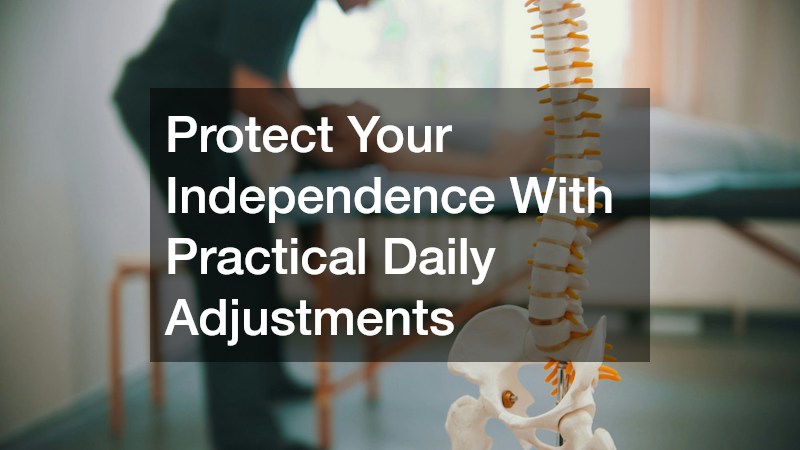
Make Everyday Activities Easier and Safer
Maintaining independence requires more than physical fitness. People also need environments that allow them to complete everyday activities comfortably and safely. Small adjustments at home and work can reduce unnecessary strain and help preserve confidence.
Start by removing clutter from walkways, improving lighting near stairs, securing loose rugs, and keeping frequently used items within comfortable reach. In bathrooms, grab bars and nonslip surfaces may help people with balance or mobility difficulties.
Workspaces should also be arranged to support comfortable movement. Frequently used supplies should be accessible, equipment should be positioned sensibly, and demanding tasks should include appropriate breaks.
Occupational therapists help people adapt to everyday activities, improve functional abilities, and identify practical equipment that supports independence. Their guidance may benefit individuals recovering from injuries, managing disabilities, or experiencing difficulty with daily tasks.
Useful adjustments can include:
- Using adaptive utensils or dressing aids.
- Reorganizing storage to reduce bending and reaching.
- Breaking complicated activities into smaller steps.
- Alternating demanding tasks with rest periods.
- Establishing consistent places for essential belongings.
The goal is to make daily activities manageable without unnecessarily restricting movement or participation. Personalized adjustments can help people maintain independence as their needs change.
Reduce Preventable Injuries at Home and Work
Preventing injuries helps protect mobility, employment, family responsibilities, and recreational activities. Falls, workplace accidents, and unsafe lifting practices can lead to lasting complications, making everyday safety an important part of long-term wellness.
Wear appropriate footwear, use protective equipment when needed, follow workplace safety procedures, and avoid rushing through tasks that require concentration. At home, inspect stairs, outdoor walkways, and frequently used equipment for potential hazards.
When an injury occurs, seek appropriate medical attention and follow treatment recommendations. Allow sufficient recovery time instead of returning to strenuous activities too quickly. Persistent pain or limited movement should not be ignored.
If another person’s negligence may have contributed to an injury, a personal injury lawyer can explain potential legal options and applicable deadlines. Legal guidance may be relevant after incidents involving motor vehicle collisions, unsafe property conditions, or other preventable accidents.
Maintain Oral Health With Consistent Daily Habits
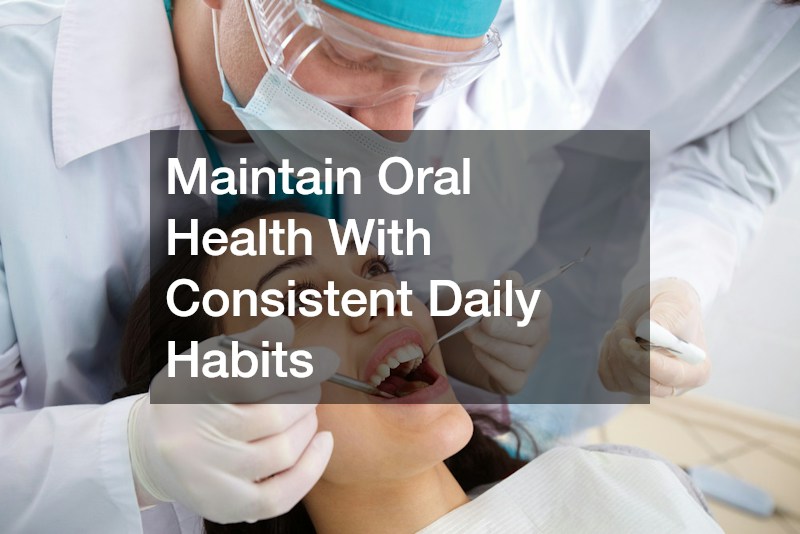
Follow a Reliable Daily Dental Care Routine
Healthy teeth and gums support comfortable chewing, clear speech, and adequate nutrition. Dental problems can also interfere with sleep, concentration, and social activities. Consistent oral hygiene is therefore an important part of overall well-being.
Brush twice daily with fluoride toothpaste and clean between your teeth every day. Replace toothbrushes when the bristles become worn, and ask a dental professional about techniques suited to your needs. People with sensitive teeth, braces, or existing restorations may require specialized tools.
Nutrition matters, too. Frequent exposure to sugary foods and drinks can increase the risk of tooth decay. Balanced meals, water consumption, and fewer sugary snacks can help protect oral health.
Avoid tobacco products, which increase the risk of gum disease and other oral health complications. Schedule regular dental examinations and seek advice when you notice persistent bleeding, swelling, sensitivity, or pain.
Simple habits practiced consistently are generally more useful than complicated routines that are difficult to maintain. Combine daily hygiene with appropriate professional care to help preserve natural teeth and support long-term comfort.
Understand Options for Restoring Missing or Damaged Teeth
Tooth loss and extensive dental damage can affect chewing, speech, appearance, and confidence. Understanding restorative options allows individuals to discuss suitable treatments with qualified dental professionals.
Dental bridges can replace missing teeth by using neighboring teeth or implants for support, depending on the design. A dental bridge may restore chewing function and fill gaps, but its suitability depends on surrounding teeth, gum health, and bite alignment.
A dental implant procedure involves placing an implant in the jawbone to support a replacement tooth or restoration. Implants can provide a stable option for eligible patients, although bone support, general health, and healing capacity influence treatment planning.
People who have lost most or all of their teeth may consider whole mouth dental implants as part of a comprehensive restoration plan. Depending on the approach, implants can support full-arch replacement teeth. Treatment costs, recovery periods, and maintenance requirements vary.
Clear teeth aligners may correct certain alignment concerns by gradually moving teeth according to a prescribed plan. They are not suitable for every orthodontic problem, so a professional assessment is important.
Strengthen Mental Wellness Through Sustainable Lifestyle Choices
Establish Consistent Sleep and Relaxation Habits
Sleep supports concentration, memory, emotional regulation, and physical recovery. Insufficient or irregular sleep can make daily responsibilities more challenging and reduce motivation to maintain healthy habits.
Most adults need at least seven hours of sleep each night, although individual requirements vary. Maintaining a consistent bedtime and wake-up time can support the body’s internal clock.
Create a relaxing bedtime routine by reducing screen use, dimming lights, and choosing calming activities such as reading. Keeping the bedroom dark, quiet, and comfortable may also improve sleep quality.
Stress management is equally important. Work pressures, financial concerns, and family responsibilities can make relaxation difficult. Short breaks can provide opportunities to reset before stress becomes overwhelming.
Consider these practical strategies:
- Practice slow, comfortable breathing.
- Take brief walks outdoors.
- Write down concerns and identify manageable next steps.
- Schedule breaks between demanding activities.
- Set reasonable boundaries around work and personal commitments.
If sleep difficulties or persistent stress interfere with everyday functioning, consider seeking professional guidance. Lifestyle changes can support well-being but should not replace appropriate treatment when needed.
Build Social Connections and Make Time for Enjoyment
Quality of life includes meaningful relationships, enjoyable experiences, and a sense of belonging. Social connections can provide emotional support, while hobbies create opportunities for relaxation and personal accomplishment.
Maintain relationships through shared meals, regular phone calls, neighborhood walks, and community activities. Even brief interactions can help people feel connected when busy schedules limit opportunities to socialize.
Choose hobbies that match your interests, budget, and available energy. Gardening, reading, cooking, volunteering, and creative projects can provide enjoyment outside work and family responsibilities.
Schedule these activities without turning them into additional performance goals. Rest and recreation should support well-being rather than create more pressure.
People who experience persistent isolation or low mood may benefit from reaching out to trusted individuals or qualified mental health professionals. Maintaining social connections can complement professional support and help individuals navigate challenging periods.
Turn Healthy Choices Into Habits That Last

Start Small and Track Your Progress
Trying to change too many habits at once can make a wellness plan difficult to maintain. Instead, select one or two realistic goals and practice them consistently.
Someone who wants to become more active might begin with a ten-minute walk after lunch. Someone who wants better sleep could start by maintaining a regular wake-up time. Connecting a new habit to an established activity can make it easier to remember.
Track progress with a simple calendar, journal, or checklist. Review your routine regularly and consider which habits are working, what obstacles keep appearing, and what adjustments would make your goals more achievable.
Expect occasional setbacks. Missing a workout or skipping a planned activity does not erase previous progress. Resume your routine when practical and modify your approach if it repeatedly proves unrealistic.
Make Everyday Wellness a Long-Term Priority
Healthy routines combine physical activity, preventive care, safety, oral hygiene, quality sleep, and meaningful relationships. Together, these habits can support independence, comfort, and long-term well-being.
Start with manageable changes, seek professional guidance when necessary, and adapt your routine as your circumstances change. Choose one practical habit to begin this week, and gradually build on it as it becomes part of your daily life. Consistent progress, rather than perfection, provides a sustainable foundation for a healthier future.
