

Achieving long-term wellness isn’t just about quick fixes or reactive treatments, it’s about creating a health plan that evolves with your life. Sustainable health requires thoughtful decision-making, proactive measures, and coordinated care across multiple areas of physical and mental well-being. By considering the interplay between preventive care, aesthetic treatments, chronic condition management, and mental health support, you can minimize unnecessary interventions, reduce stress, and improve overall quality of life.
A sustainable approach to health focuses on prevention, integration, and long-term planning. Instead of chasing the latest medical trend or waiting until a crisis occurs, this mindset emphasizes consistency, balance, and the wise use of resources. The following sections outline actionable strategies to build a health journey that is both comprehensive and sustainable.
- Laying the Foundation With Proactive, At-Home Support
- Making Preventive Dental Care Part of Whole-Body Health
- Addressing Mental Health and Substance Use With Integrated Planning
- Navigating Structured Treatment Without Disrupting Daily Life
- Making Thoughtful Choices About Aesthetic and Preventive Treatments
- Integrating Wellness Services Without Overmedicalizing Health
- Managing Serious Illness With a Long-Term Sustainability Mindset
- Designing a Health Journey That Adapts Over Time
Laying the Foundation With Proactive, At-Home Support
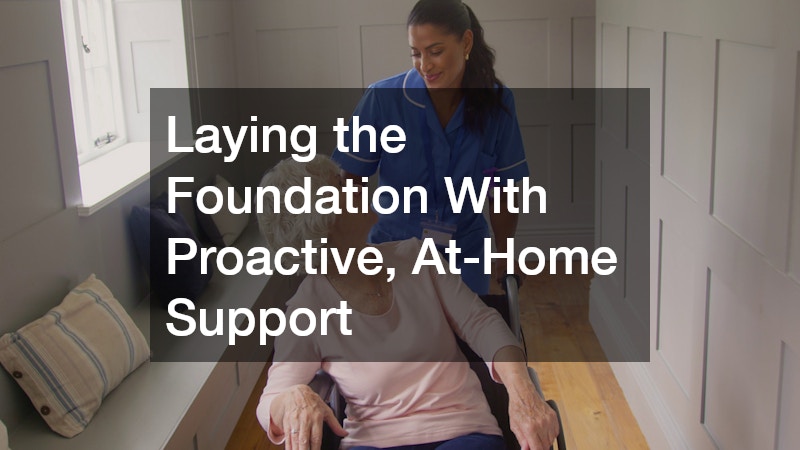
Maintaining independence and managing health effectively often begins at home. For many individuals, especially aging adults, people with chronic conditions, or those recovering from illness, home-based support is more than a convenience; it’s a cornerstone of sustainable, long-term health. A consistent routine, professional guidance, and an environment designed for safety can prevent complications, reduce unnecessary hospital visits, and enhance overall quality of life.
A home care service provides personalized assistance that can be tailored to an individual’s specific needs. This may include help with daily activities like bathing, dressing, meal preparation, and mobility, as well as more medical-focused tasks such as monitoring vital signs, managing medications, or assisting with physical therapy exercises. Beyond practical support, home care also offers emotional and social benefits that are often overlooked but crucial for long-term wellness.
Key Benefits of Home-Based Support:
-
Reduced risk of accidents or hospitalizations: Homes can be modified to reduce fall hazards, improve accessibility, and create safer living spaces. Simple adjustments, like installing grab bars, improving lighting, or removing loose rugs, can dramatically lower the risk of injury.
-
Medication management and adherence: Many adults struggle to keep track of multiple prescriptions. Professional caregivers can ensure medications are taken correctly and on schedule, reducing the likelihood of complications or hospital readmissions.
-
Emotional support and companionship: Loneliness and social isolation can negatively impact both physical and mental health. Caregivers provide meaningful human interaction, encouraging mental stimulation, conversation, and engagement in activities.
-
Coordination with healthcare providers: Home care professionals can communicate regularly with doctors, therapists, and other specialists, ensuring that care plans are up to date and that any health changes are promptly addressed.
Practical Tips for Maximizing Home Care Benefits:
-
Choose the right provider: Evaluate potential home care services by reviewing their experience, certifications, and client feedback. Communication, flexibility, and responsiveness should be top priorities when selecting a caregiver or agency.
-
Integrate technology: Tools such as telehealth consultations, wearable health monitors, and health-tracking apps can complement in-home care, giving both caregivers and family members real-time insights into a patient’s condition.
-
Plan proactively rather than reactively: Schedule regular visits and check-ins instead of waiting for a crisis to occur. Regular monitoring can identify early warning signs of health issues, preventing unnecessary emergency visits or hospitalizations.
-
Encourage independence while providing support: Home care should empower individuals, not foster dependency. Caregivers can offer guidance and assistance while promoting daily routines and self-management skills that enhance autonomy.
By prioritizing proactive care at home, individuals create a stable foundation for their sustainable health journey. Home-based support is not just a short-term solution, it’s a long-term strategy that reduces stress, prevents complications, and ensures seamless integration with broader healthcare plans. A home environment designed for safety, combined with professional guidance and emotional support, allows people to live more confidently, independently, and sustainably.
Additionally, this approach can also benefit family members, who often serve as informal caregivers. Knowing that professional support is in place can reduce caregiver stress, prevent burnout, and allow families to focus on quality time and meaningful interaction rather than constant supervision. Over time, proactive home care can become the backbone of a health strategy that adapts to changing needs, preserves independence, and promotes overall well-being across all stages of life.
Making Preventive Dental Care Part of Whole-Body Health
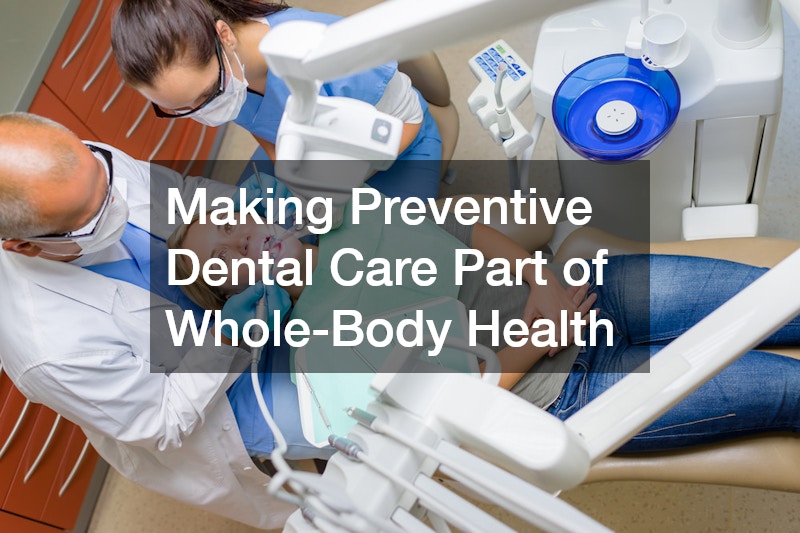
Oral health is often overlooked in sustainable wellness plans, yet it plays a critical role in overall well-being. Poor dental hygiene doesn’t just lead to cavities or gum disease; it can have far-reaching effects on your cardiovascular system, diabetes management, and even cognitive health. Integrating dental care into a comprehensive health strategy ensures that oral issues are addressed proactively rather than reactively, reducing the need for extensive interventions later.
A cosmetic dentist, for example, is not only focused on enhancing smiles but also on identifying early indicators of systemic conditions. Issues such as gum inflammation, persistent oral infections, or abnormal tissue changes can serve as early warning signs for diseases like diabetes, cardiovascular disease, and even certain cancers. By catching these issues early, dental professionals contribute significantly to long-term health sustainability.
When restorative procedures become necessary, dental implants offer an excellent long-term solution compared to repeated fillings or temporary fixes. Modern implants use durable, biocompatible materials that mimic natural teeth, providing stability and functionality for decades. Choosing high-quality materials and well-trained practitioners reduces the likelihood of complications, ensures better oral function, and minimizes future dental interventions.
Practical Strategies for Long-Term Oral Health:
-
Schedule regular check-ups and cleanings: Routine visits every six months allow for early detection of issues like cavities, gum disease, or alignment problems. These check-ups are critical for identifying concerns before they escalate into invasive procedures.
-
Address minor issues promptly: Ignoring small dental problems can lead to extensive treatments down the line. Treating minor cavities, loose fillings, or early gum irritation immediately prevents the need for more complex interventions.
-
Discuss preventive treatments: Ask your dentist about protective options such as sealants, fluoride treatments, or professional whitening. These procedures can enhance dental durability, reduce the risk of decay, and support long-term oral health.
-
Evaluate restorative options carefully: When replacements or repairs are needed, consider long-term solutions like dental implants. Weigh the cost, durability, and overall health implications, including how the procedure fits into your broader wellness plan.
-
Maintain proper daily hygiene: Brushing twice daily, flossing, and using mouthwash help prevent plaque buildup, gum inflammation, and tooth decay. Combining these habits with professional care creates a sustainable routine for lifelong oral health.
-
Consider the connection between oral and systemic health: Nutrition, hydration, and lifestyle habits all affect oral health. Eating a balanced diet, limiting sugary foods, and avoiding tobacco products support both teeth and overall wellness.
By viewing dental care as an integral part of your comprehensive health strategy, you not only prevent complications but also maintain functional and aesthetic benefits that support confidence, nutrition, and overall well-being. Sustainable oral care is about consistency, early intervention, and making informed decisions that reduce the need for repeated procedures while maximizing long-term health outcomes.
Integrating preventive dental care into your broader wellness plan reinforces the idea that every aspect of health is interconnected. Strong teeth and gums support proper digestion and nutrition, while routine dental visits offer opportunities to monitor systemic health indicators. Over time, this proactive approach fosters a healthier, more resilient body and ensures that your oral health contributes meaningfully to your overall sustainable health journey.
Addressing Mental Health and Substance Use With Integrated Planning
Sustainable health extends far beyond physical wellness, mental and emotional well-being is equally vital, and addressing substance use is often an essential part of long-term stability. For many individuals, mental health challenges and substance use disorders are interconnected, creating complex patterns that require specialized care. Treating one without the other can lead to relapse, chronic stress, and repeated health crises.
Dual diagnosis treatment is a targeted approach designed to address co-occurring mental health and substance use disorders simultaneously. By integrating therapies for both conditions, dual diagnosis programs reduce the risk of relapse and help individuals achieve a more balanced, sustainable recovery. Instead of treating mental health and substance use in isolation, this approach recognizes the interplay between emotional triggers, chemical dependencies, and lifestyle factors, allowing patients to develop coping skills that work in all aspects of their lives.
Drug treatment rehabilitation centers play a central role in this process. These centers provide structured, supportive environments where patients can focus on healing without the distractions or stressors of daily life. Services typically include:
-
Individual and group therapy sessions designed to explore underlying causes of substance use and mental health challenges.
-
Medical oversight to ensure safe detoxification, monitor side effects, and manage co-occurring medical conditions.
-
Life skills and relapse-prevention training, including stress management, emotional regulation, and strategies for maintaining healthy routines.
-
Peer support networks that foster accountability, community, and motivation for long-term recovery.
Key Practices for Sustainable Mental Health Management:
-
Seek comprehensive assessments: A thorough evaluation of both mental health and substance use ensures that treatment plans are tailored to the individual’s unique needs. This often includes psychiatric evaluations, substance use history, and screening for co-occurring conditions.
-
Develop a long-term care plan: Recovery is a journey, not a single event. Combining therapy, support groups, medication management, and regular medical check-ins provides a roadmap that adapts as the individual progresses.
-
Incorporate lifestyle changes: Exercise, balanced nutrition, and mindfulness practices are essential components of sustainable mental health. Physical activity releases endorphins, nutrition supports brain function, and mindfulness or meditation can reduce stress and enhance emotional regulation.
-
Engage family and community support: Recovery is more sustainable when individuals have a network of supportive relationships. Family education, peer groups, and community programs help maintain accountability, reduce isolation, and encourage positive behaviors over time.
-
Monitor progress and adapt as needed: Regular reassessments help ensure that the treatment plan remains effective. Adjustments may include therapy modifications, medication changes, or new coping strategies based on evolving circumstances.
By treating mental health and substance use as interconnected elements of overall wellness, individuals can reduce the likelihood of recurring crises, develop healthy coping mechanisms, and build a resilient foundation for long-term health. Integrated care not only addresses immediate symptoms but also equips patients with the knowledge, skills, and support systems needed to maintain stability and thrive in the long term.
Moreover, sustainable mental health management is about empowerment. Patients learn to recognize triggers, manage stress proactively, and make lifestyle choices that reinforce recovery. Over time, these practices reduce dependency on intensive interventions, promote self-sufficiency, and create a more balanced, sustainable approach to wellness that supports both mind and body.
Navigating Structured Treatment Without Disrupting Daily Life

Sometimes, more intensive care is required to stabilize health or manage complex conditions. Partial hospitalization programs offer structured treatment while allowing patients to maintain a level of independence and continue with work, school, or family obligations. This balance is key for sustainable recovery.
Benefits of structured programs include:
-
Daily access to therapy, medical supervision, and peer support.
-
Gradual transition from intensive treatment to outpatient care, reducing the shock of abrupt changes.
-
Skill-building for coping strategies, stress management, and relapse prevention.
Practical Tips:
-
Coordinate with your employer or educational institution to integrate program schedules without major disruptions.
-
Prepare a support system at home to reinforce skills learned during structured treatment.
-
Track progress with measurable goals to maintain motivation and ensure continuity.
By integrating structured care into daily life thoughtfully, patients can achieve meaningful improvements without sacrificing their routines or long-term independence.
Making Thoughtful Choices About Aesthetic and Preventive Treatments
A sustainable health journey also considers elective and preventive treatments that support confidence, functionality, and overall well-being. Procedures such as Invisalign aligners not only improve appearance but also enhance oral health by correcting bite issues, reducing the risk of long-term dental problems.
Similarly, Botox can be approached with sustainability in mind. Beyond cosmetic purposes, Botox may prevent certain muscle-related discomforts, reduce tension headaches, and complement long-term wellness plans when used judiciously.
Guidelines for Making Informed Choices:
-
Evaluate whether the procedure offers functional benefits in addition to aesthetic results.
-
Consider long-term maintenance and potential side effects.
-
Choose providers who emphasize moderate, evidence-based treatments rather than trend-driven procedures.
-
Integrate aesthetic care into your broader health goals to avoid unnecessary interventions.
By carefully selecting treatments that offer both immediate and lasting benefits, individuals can maintain wellness and confidence sustainably.
Integrating Wellness Services Without Overmedicalizing Health
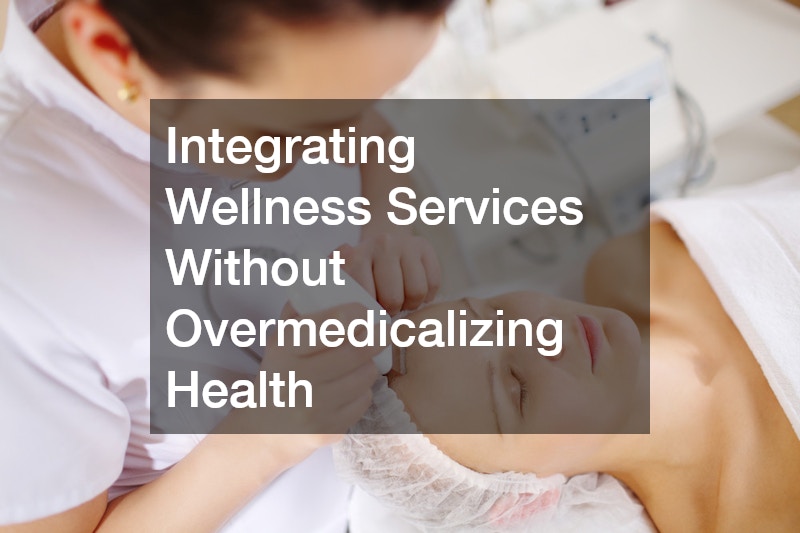
Medical spas offer therapeutic and cosmetic services that can support recovery, reduce stress, and enhance overall well-being. When approached thoughtfully, these services can complement a sustainable health plan rather than replace essential care.
Sustainable Approaches to Wellness Services:
-
Use medical spa treatments to support recovery, relaxation, and mental health, not as the primary solution.
-
Schedule treatments based on need, evidence-based benefits, and personal health goals.
-
Combine spa therapies with exercise, nutrition, and mindfulness practices to reinforce overall wellness.
-
Avoid excessive interventions that may create dependency or detract from holistic health goals.
Wellness services are most effective when integrated intentionally into a broader plan that emphasizes prevention, recovery, and long-term resilience.
Managing Serious Illness With a Long-Term Sustainability Mindset
Facing serious illnesses like breast cancer requires coordinated care, emotional resilience, and strategic planning. Sustainable health planning focuses on both treatment effectiveness and quality of life. Multidisciplinary teams, ranging from oncologists to nutritionists, ensure that all aspects of care are addressed.
Strategies for Navigating Complex Health Journeys:
-
Plan for breast cancer treatment schedules, side effect management, and follow-up appointments well in advance.
-
Maintain emotional health through counseling, support groups, and family involvement.
-
Integrate lifestyle adjustments, including diet, exercise, and stress management, to support recovery.
-
Prepare for long-term care, survivorship programs, and ongoing monitoring to sustain health outcomes.
By approaching serious illnesses with foresight and coordination, individuals can preserve energy, minimize complications, and create a sustainable path through recovery and beyond.
Designing a Health Journey That Adapts Over Time
Creating a sustainable health journey is a long-term commitment that requires planning, adaptability, and coordination across multiple domains. From preventive care and mental health support to structured treatment programs and aesthetic interventions, every choice plays a role in long-term wellness.
Sustainable health is about prevention, integration, and informed decision-making. By proactively managing physical, mental, and emotional needs, individuals can reduce crises, minimize unnecessary interventions, and enhance their quality of life. A truly comprehensive health plan is not static, it evolves as life changes, ensuring that care remains relevant, effective, and aligned with long-term wellness goals.
Ultimately, viewing health as an ongoing, adaptable journey empowers individuals to take control, make informed decisions, and sustain well-being across all stages of life.
