
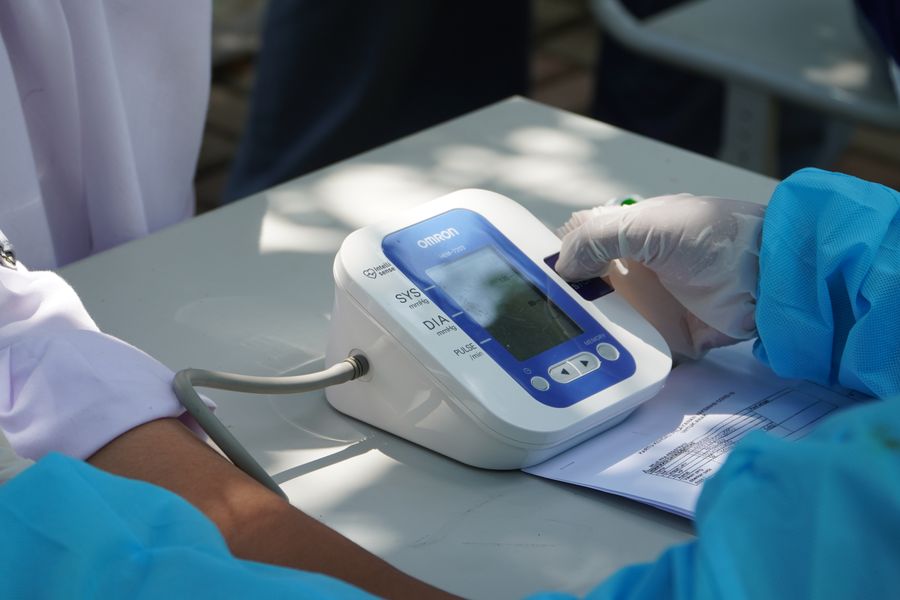
He feels fine. He’s in his twenties or thirties; he can run up a flight of stairs without wheezing, and his jeans still fit. So why on earth would he sit in a waiting room to have a nurse wrap a cuff around his arm? That logic is exactly why so many younger guys walk right past the pharmacy blood pressure machine without a second glance.
The trouble is that high blood pressure rarely announces itself. It doesn’t come with a cough or a rash. It builds quietly, year after year, until one day it shows up as a heart attack, a stroke, or kidney damage that could have been prevented with a two-minute check. Doctors call hypertension the silent killer for a reason, and that reason is especially cruel to young men who think silence equals safety.
This piece unpacks the real reasons men in their twenties and thirties dodge these simple screenings, and offers practical fixes for each one. The barriers aren’t always what you’d guess, and the solutions are often easier than the excuses.
The “I Feel Fine” Trap
Most young men judge their health by how they feel in the moment. If nothing hurts, nothing must be wrong. Blood pressure doesn’t play by that rule. You can have a reading of 150 over 95 and still bench press your body weight, still sleep through the night, still feel completely normal.
That disconnect between symptoms and reality is the single biggest reason screenings get skipped. Men assume a problem will knock on the door before it causes damage. Hypertension doesn’t knock. It just quietly thickens the walls of your arteries while you go about your week.
The fix here is a mindset shift. Think of a blood pressure check the way you’d think of a tire pressure check. You don’t wait for a blowout to confirm something’s off. A few practical ways to break the “I feel fine” habit:
- Build the check into something you already do, like a trip to the pharmacy or the gym
- Treat a normal reading as useful data, not a wasted visit
- Ask a partner, sibling, or friend to get checked at the same time
- Keep a simple note on your phone with your last reading and the date
- Remember that family history matters even when you feel great
Why the Doctor’s Office Feels Like a Chore
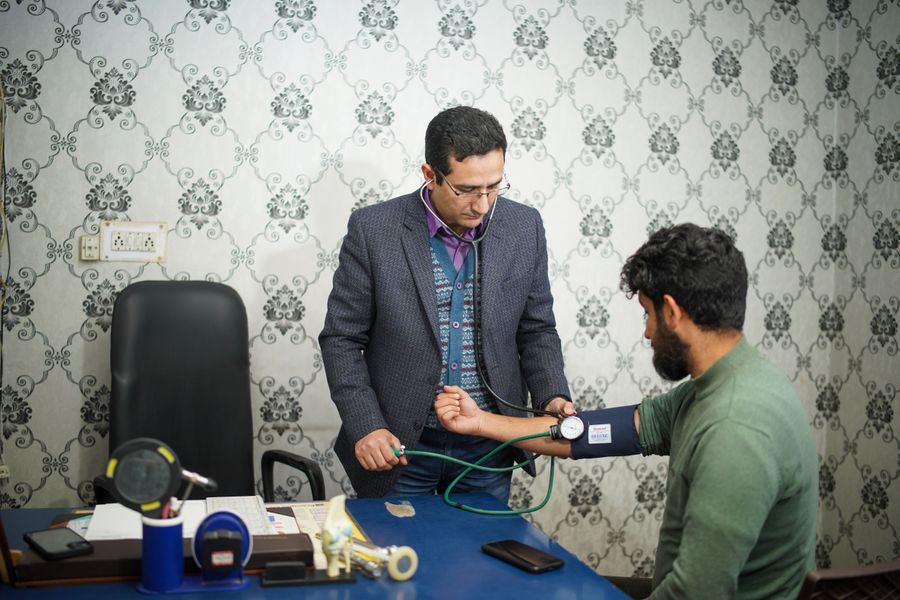
Booking an appointment, taking time off work, sitting in a waiting room, paying a copay — none of that appeals to a guy who sees himself as healthy. There’s also a cultural piece. Many men grew up watching fathers and uncles treat the doctor as a last resort, somewhere you go when something’s broken.
The data backs up the pattern. According to the Cleveland Clinic, a survey of more than a thousand men found that 55% aren’t keeping up with regular health screenings, and four in ten wait until they’re genuinely scared before booking a visit. That’s not laziness. That’s a habit learned over decades.
Reframing the Visit as Maintenance
Try thinking of a check-up the way a mechanic thinks of an oil change. It’s cheap, it’s quick, and it catches small issues before they become expensive ones. The question of how often should men get a physical has a surprisingly reassuring answer for younger guys, which removes a lot of the dread around scheduling one.
According to Mayo Clinic Health System, men under 50 generally only need a physical exam every three to five years, with annual visits recommended once you cross that age line. That’s a far cry from the yearly obligation many young men assume they’re ducking.
The Fear of Finding Something Wrong
There’s a quieter reason men avoid screenings that doesn’t get talked about much: they don’t want bad news. If you don’t know your blood pressure is high, you don’t have to change your diet, cut back on drinking, or start taking a daily pill. Ignorance feels like freedom, at least for a while.
This is magnified in your twenties and thirties, when you’re building a career, maybe starting a family, and the last thing you want is a chronic condition on your medical record. The irony is painful. Catching high blood pressure early usually means small adjustments. Catching it late often means heavy medication and permanent damage.
Here’s what helps men move past the fear:
- Remember that early-stage hypertension is often reversible with lifestyle changes
- Know that a single high reading isn’t a diagnosis — doctors look at patterns
- Understand that treatment today is far gentler than it was a generation ago
- Talk to a friend who’s already been through it and come out fine
Access, Cost, and the Insurance Puzzle
Not every young man avoids screenings out of denial or fear. Some genuinely can’t figure out where to go or how to pay for it. Gig workers, freelancers, and guys between jobs often lack consistent insurance. Even those with coverage get confused by deductibles, copays, and in-network rules.
The good news is that a blood pressure check is one of the most accessible medical services on the planet. You don’t need a specialist, a lab, or a referral. Pharmacies, fire stations, community health fairs, and even some workplace wellness programs offer them for free. Home monitors now cost less than a nice dinner out, and they’re accurate enough for everyday tracking.
Where to Get Checked Without a Big Hassle
Most chain pharmacies have a self-service machine near the back counter. Urgent care clinics will check your pressure for a nominal fee even without a primary care visit. Community health centers operate on sliding-scale pricing based on income, which means a check-up can cost almost nothing if money is tight.
The U.S. Preventive Services Task Force notes that healthy adults between 18 and 39 with no risk factors and a prior normal reading can reasonably space their screenings out to every three to five years. That’s hardly a burdensome schedule, even for someone juggling tight finances and a packed calendar.
Rebuilding the Habit Around Everyday Wellness
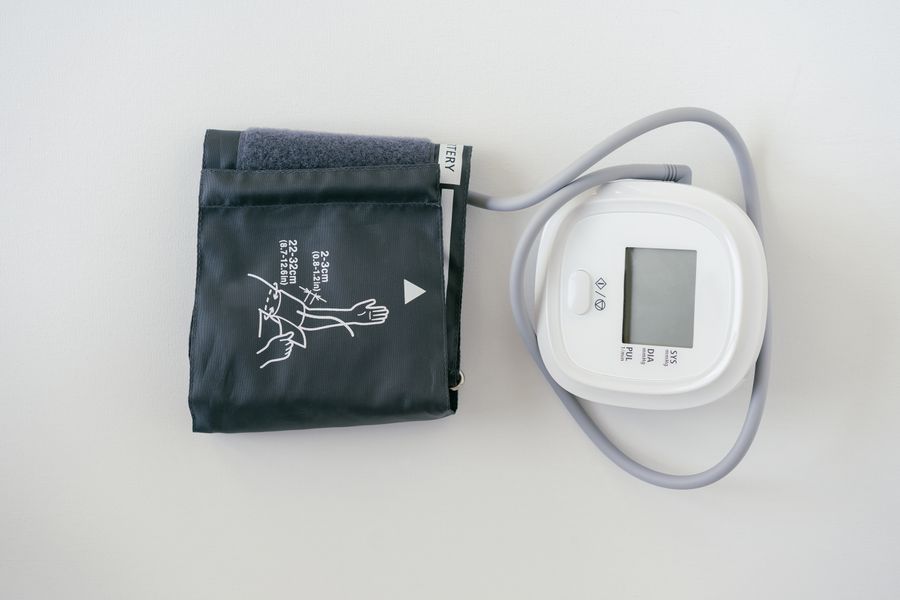
Changing behavior isn’t about guilt. It’s about making the healthy choice the easy choice. If you have to drive thirty minutes, take half a day off, and navigate a confusing booking system every time you want a reading, it’s not going to happen. If the check takes ninety seconds during a trip you were already making, it will.
Men who stay on top of their numbers tend to treat health as a background routine rather than a crisis response. That means tying screenings to events you can’t skip, like birthdays, tax season, or the start of a new year. It also means owning the basics — knowing your baseline, your family history, and your risk factors — so you can have a real conversation with a doctor when you do sit down with one.
A few habits that make a lasting difference:
- Buy a decent home blood pressure monitor and use it once a month
- Log readings somewhere you’ll actually look at them later
- Pair your check with another routine, like a morning coffee or a gym session
- Share your numbers with a partner or close friend for accountability
- Schedule your next check before you leave the current one
For younger men, the broader question of preventive care deserves a look too, because blood pressure is just one dial on the dashboard. Thinking through an evidence-based schedule for men helps put screenings in context alongside cholesterol, blood sugar, and mental health check-ins. Wellness isn’t a one-off event; it’s a pattern you build quietly over years.
What Employers and Communities Can Do Better
Individual choices only go so far. If a company offers no sick leave for preventive care, if a neighborhood has no accessible clinic, or if gym culture treats health talk as weakness, young men will keep opting out. Fixing the screening gap partly means fixing the environment around it.
Workplaces that bring in mobile screening units during work hours see massive participation jumps. Barbershops partnering with local health workers have reached men who hadn’t seen a doctor in a decade. Sports leagues, veterans’ groups, and faith communities all offer ready-made networks where a quick blood pressure drive can feel social instead of clinical.
Data from the CDC, cited by Klarity Health Library, shows that more than half of men skip regular health screenings, which tells you the issue is systemic, not personal. When screenings move out of sterile offices and into places men already trust, the numbers shift fast.
Conclusion
Young men skip blood pressure screenings for a tangled mix of reasons: feeling fine, hating the hassle, fearing bad news, struggling with cost, and never having built the habit in the first place. Each of those barriers has a workable fix, and none of the fixes require heroic effort. A pharmacy machine, a home monitor, a conversation with a doctor every few years — that’s the whole kit.
High blood pressure in your twenties and thirties is manageable, often reversible, and almost always catchable with routine checks. Waiting until you feel something is wrong is the single worst strategy, because by the time hypertension causes symptoms, it’s already done real damage. A two-minute check is cheap insurance against decades of trouble.
The men who end up healthiest in their fifties and sixties aren’t the ones with the best genes. They’re the ones who treated screenings as boring maintenance long before anything hurt. Pick a day this month, find a cuff, and get a number. That’s the whole ask.
