
Modern office culture requires millions of professionals to sit in front of digital displays for eight to ten hours every day. While sitting may feel physically restful compared to heavy manual labor, prolonged sedentary activity creates silent, cumulative wear on the human body. The human frame evolved for continuous movement, dynamic weight shifts, and varied optical distances. When restricted to a fixed chair and focused on bright monitors, subtle biological stress begins to build. Over months and years, this static posture reshapes muscular firing patterns, strains internal structures, and reduces basic circulation.
Digital eye strain stands among the most immediate consequences of uninterrupted computer use. Viewing high-contrast monitors forces tiny intraocular muscles to work continuously to keep text in focus. Over several hours, micro-fluctuations in screen brightness, refresh rates, and subtle room glare cause significant fatigue throughout the entire visual system. Office workers frequently report dry, burning eyes, blurred vision, tension around the brows, and difficulty refocusing when looking up from their work surface. Proper vision care extends far beyond simply getting a basic prescription for corrective lenses. It involves ergonomic lighting adjustments, structured screen breaks, monitor distance optimization, and regular consultations with medical experts.
Comprehensive eye evaluations allow specialists to examine how digital environments affect long-term ocular health and tear production. Regular visits to licensed optometrists ensure that subtle shifts in focal ability or ocular surface moisture are identified before they turn into chronic discomfort. These specialists often recommend customized anti-reflective lens coatings, specialized office prescriptions designed specifically for intermediate monitor distances, and personalized recommendations for maintaining tear film stability. Simple behavioral habits, such as following the 20-20-20 rule – looking at an object twenty feet away for twenty seconds every twenty minutes – help relieve strain on focal muscles. However, professional oversight remains essential for maintaining visual comfort across a long career in front of digital displays.
Addressing desktop physical strain requires a comprehensive assessment of how sitting affects every major anatomical system. Beyond the eyes, static posture reduces circulation, shortens hip flexors, and compresses spinal structures. Recognizing these warning signs early allows professionals to implement protective routines before minor stiffness turns into severe physical limitations.
Table of Contents
Head, Neck, and Jaw: Mitigating Upper Body Tension

The alignment of the head directly influences stress throughout the upper body. A human head weighs approximately ten to twelve pounds when balanced perfectly over the spine. When an office worker leans forward toward a computer display – a posture commonly referred to as forward head posture – the effective weight placed on the cervical spine increases dramatically. At a thirty-degree forward tilt, the neck muscles and upper back ligaments must support equivalent forces of over thirty pounds.
This persistent gravitational burden leads to chronic muscle tightness across the upper trapezius, levator scapulae, and suboccipital muscles at the base of the skull. Over time, tight suboccipital muscles compress surrounding nerve pathways and restrict localized blood flow, triggering tension headaches that radiate from the back of the head toward the temples and behind the eyes. Finding effective headache treatment often requires addressing the structural cause rather than simply masking symptoms with over-the-counter pain relievers. Adjusting monitor height so the top third of the screen aligns with eye level helps prevent the head from tilting forward, taking strain off the neck muscles.
Upper body tension rarely remains confined to the neck and shoulders. Stress and structural misalignment frequently cause people to clench their jaw or grind their teeth while concentrating or responding to demanding deadlines. Temporomandibular joint pressure can cause jaw pain, earaches, and accelerated dental wear. Nocturnal grinding combined with daytime jaw clenching can crack tooth enamel, destabilize fillings, or fracture existing dental restorations. When severe dental fractures or sudden, intense jaw pain occur after months of unaddressed clenching, finding an emergency dentist becomes necessary to save damaged teeth, alleviate severe acute discomfort, and restore basic oral function.
Preventing upper body breakdown requires mindful daily habits and targeted movement. Desktop workers benefit from performing gentle chin tucks, neck rolls, and shoulder retractions every hour. Integrating these micro-movements helps reset upper spine alignment, improves joint mobility, and prevents muscles from locking into rigid, painful positions throughout the demanding workday. Taking short, intentional breaks to stretch the chest muscles also helps open the front of the body, reversing the rounded-shoulder posture that so often accompanies desk work.
Restoring the Spine: Decompression and Alignment
The lumbar spine bears the primary load of supporting the upper body when sitting. In a standing position, body weight is distributed evenly across the feet, knees, hips, and spinal column. Sitting shifts that entire load onto the pelvis and lower lumbar vertebrae. Poor sitting posture, such as slumping, slouching, or leaning to one side, multiplies spinal stress, causing premature wear on intervertebral discs and supporting spinal ligaments.
Over time, prolonged mechanical compression leads to deep, aching discomfort across the small of the back. Office workers frequently experience lower back pain after sitting in unsupportive office chairs for extended periods. This pain often starts as mild stiffness when standing up at the end of the day, but without structural correction, it can escalate into persistent muscle spasms, nerve irritation, and restricted mobility. Maintaining proper lumbar support through ergonomic chair adjustments or lumbar pillows helps preserve the natural inward curve of the lower spine, reducing strain on soft tissues. Additionally, incorporating targeted lower body stretches into daily breaks helps loosen tight hip flexors and hamstrings, which often pull on the pelvis and aggravate lumbar strain.
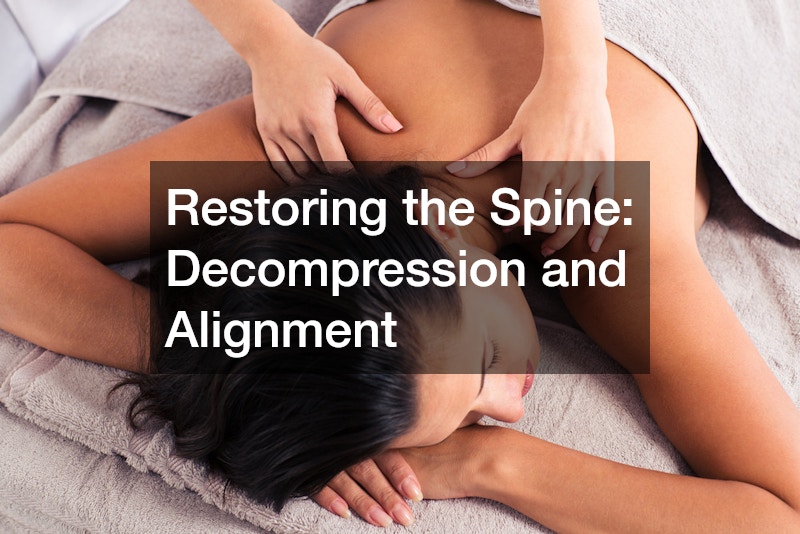
When self-care measures and ergonomic fixes are not enough, professional structural care can help restore proper spinal mechanics. Consulting a chiropractor allows individuals to address spinal misalignments caused by months or years of poor sitting habits. Through precise spinal adjustments, joint mobilization techniques, and soft tissue therapy, these licensed professionals work to restore joint mobility, improve spinal motion, and relieve mechanical stress on compressed nerve pathways. Regular chiropractic visits also provide patients with customized guidance on proper lifting techniques, postural awareness, and corrective exercises designed to maintain spinal stability outside the clinic.
In addition to professional alignment, office workers can protect their lumbar spine by building dynamic movement into their daily routine. Alternating between sitting and standing with an adjustable workstation reduces continuous pressure on spinal discs. Dynamic sitting practices, such as using an exercise ball for short periods or taking brief walking breaks, encourage continuous micro-adjustments that keep deep core stabilization muscles active and responsive throughout the day.
Managing Deep Tissue and Lumbar Trauma

While mild stiffness can often be managed with simple stretching and ergonomic changes, prolonged spinal compression can lead to severe structural injuries. The intervertebral discs act as soft shock absorbers positioned between the hard bones of the spine. Continuous, unmanaged pressure – especially when paired with slumping or twisting while lifting items – can force the gel-like center of a spinal disc to bulge or push through its tough outer layer. As the disc loses moisture under constant compression, its ability to cushion everyday movement declines, leaving the surrounding spinal joints vulnerable to excessive friction and painful inflammation.
This condition, known as a herniated or slipped disc, can severely pinch surrounding spinal nerves, causing sharp pain, numbness, tingling, or muscle weakness that radiates down the buttocks and into the legs. Individuals seeking effective slipped disc pain treatment need specialized care that focuses on targeted spinal decompression, physical therapy, controlled movement strategies, and anti-inflammatory care. Ignoring nerve pain signals can lead to permanent nerve damage, persistent weakness, and long-term mobility loss. Comprehensive care plans often integrate active rehabilitation with passive therapies to manage acute symptoms while addressing the root biomechanical issues that caused the injury initially.
Targeted physical therapy plays a central role in managing disc injuries and preventing future recurrences. Specialized exercise programs focus on strengthening the deep core musculature, including the transversus abdominis and multifidus muscles, which form a natural protective brace around the vulnerable lumbar spine. Controlled extension exercises can help gently shift herniated disc material away from compressed spinal nerves, reducing localized inflammation and allowing damaged tissues time to heal naturally.
Proper recovery from severe spinal trauma also requires long-term lifestyle changes and consistent movement habits. Desk workers recovering from lumbar injuries must strictly avoid long periods of uninterrupted sitting. Using timed reminders to stand up, walk around the office, and perform gentle extension stretches every thirty minutes helps maintain disc hydration, promotes fluid circulation, and prevents inflammatory compounds from settling into vulnerable joint tissues. Furthermore, adopting proper biomechanics during daily tasks – such as bending from the knees rather than the waist and keeping heavy objects close to the torso – protects vulnerable disc structures during both work hours and personal activities.
Circulation and Fluid Dynamics: Legs and Vascular Health

The physical impact of sitting extends far beyond the structural bones and muscles. Prolonged sitting severely restricts circulation throughout the lower extremities. When sitting, the sharp angle at the hips and knees creates mechanical bends in major blood vessels, while the calf muscles remain completely relaxed and static. Because calf muscle contractions act as the primary muscular pump returning venous blood from the feet back to the heart, physical inactivity allows blood and interstitial fluid to pool in the lower legs. Without frequent movement to stimulate blood flow, metabolic waste products accumulate in the lower limbs, contributing to generalized leg fatigue, subtle aching, and cellular inflammation.
Over time, increased fluid pressure within the venous system can weaken delicate vein valves, causing blood to pool backward and vein walls to stretch. This sustained pressure can lead to the development of varicose veins, which appear as swollen, twisted, elevated vessels beneath the skin surface. Beyond cosmetic concerns, varicose veins can cause heavy, aching legs, persistent ankle swelling, skin discoloration, and localized discomfort after long hours spent sitting at a desk. In addition to prolonged sitting, factors like age, genetics, and baseline fitness levels can influence how rapidly vascular issues develop, making early preventative care essential for office workers.
Sluggish circulation also impacts the lymphatic system, which relies entirely on body movement, dynamic muscle contraction, and deep breathing to circulate lymph fluid throughout the body. When fluid accumulates in the tissues of the lower legs, gentle specialized massage techniques known as lymphatic drainage can help stimulate fluid movement and reduce swelling. This therapeutic manual approach encourages the natural drainage of lymph fluids, helping clear cellular waste, reduce tissue congestion, and alleviate heavy, tired leg sensations.
To support long-term vascular health, office workers should regularly flex their ankles, perform seated calf raises, and elevate their legs when relaxing at home after work. Wearing gradient compression socks during the workday can also help prevent fluid buildup by encouraging upward venous blood flow, reducing strain on vessel walls throughout long sitting shifts. Taking short walking breaks every hour allows the calf muscles to pump pooled blood back toward the heart, effectively resetting lower extremity blood flow and relieving excess pressure on delicate vessel walls.
Posture, Body Contouring, and Holistic Recovery Habits
Restoring long-term physical well-being after years of desk work requires a holistic approach that links structural care, circulatory health, and metabolic wellness. Chronic sitting often leads to persistent postural changes, including weakened gluteal muscles and tight hip flexors. These muscular imbalances pull the pelvis forward into an anterior tilt, creating an exaggerated lower back arch that forces the abdomen outward and stresses the spinal column. This postural chain reaction not only destabilizes the core but also forces the upper body to compensate, compounding neck and shoulder tension.
As individuals work to rebuild core strength and fix structural posture through targeted exercise routines, non-invasive wellness treatments can complement their physical recovery journey. For instance, targeted body contouring procedures like cool sculpting are sometimes used by individuals seeking to address stubborn localized fat deposits that remain resistant to diet and regular exercise. While non-invasive treatments do not replace active physical conditioning, core strengthening, or proper nutrition, incorporating them into a broader self-care plan can complement body transformation goals as professionals work toward better overall physical health. Achieving a healthy body composition works hand-in-hand with postural alignment, as reducing unnecessary mechanical stress on joint systems makes daily movement feel lighter and more comfortable.
Ultimately, long-term health for desk workers relies on building consistent, mindful daily habits. No single ergonomic chair, therapeutic treatment, or specialized cushion can replace regular physical movement, adequate hydration, and proper rest. Setting up an ergonomic workspace with properly positioned monitors, supportive seating, and adequate task lighting provides a strong foundation for daily physical comfort. Developing awareness of physical cues – such as recognizing when shoulders begin to tense or when eyes feel dry – allows individuals to make immediate corrections throughout the workday before discomfort worsens.
Combining ergonomic adjustments with regular physical activity, targeted stretching, balanced nutrition, and routine professional care creates a sustainable defense against sedentary work strain. By taking proactive steps to protect their eyes, spine, joints, and circulatory systems, office workers can maintain long-term physical health, vitality, and productivity throughout their professional lives. Investing in preventative body care today ensures that a career spent behind a desk does not come at the cost of personal vitality and lifelong physical mobility.
