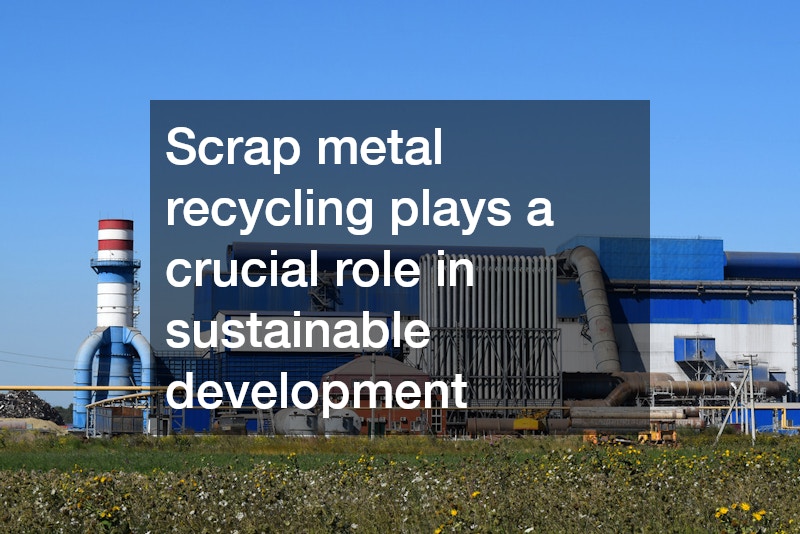
In this article, we will explore the intricacies of how a scrap metal recycling business operates, the various processes involved, and its importance in today’s world. Scrap metal recycling is a vital component in environmental sustainability efforts globally. It assists in conserving natural resources, reduces landfill waste, and decreases energy consumption compared to traditional metal production. As demand for metals grows, so too does the importance of recycling as a reliable source of materials.
Understanding its operation helps producers and consumers engage more proactively in the circular economy.
Understanding the Sources of Scrap Metal
Scrap metal can originate from a variety of sources, each with its own unique characteristics. Residential waste contributes significantly, often in the form of discarded household appliances, furniture, and aluminum cans. Industrial sources, such as manufacturing plants, provide scrap in the form of leftover metal based on processing errors or overproduction. Construction and demolition sites offer structural steel and copper wiring, further diversifying the mix of recyclable metals. By identifying these sources, businesses can strategically position themselves to maximize intake and processing efficiency.
Moreover, the automotive industry supplies substantial amounts of scrap metal when vehicles are decommissioned. Cars, upon reaching the end of their life cycle, offer valuable parts such as engines, radiators, and tires for recycling. Recyclers actively seek partnerships with businesses in this sector, creating a network of sustainable resource management. The challenge lies in sorting these materials, as they often contain contaminants like rubber or plastic. Despite complexities, the proper handling of automotive scrap contributes significantly to resource conservation.
Key Steps in the Collection Process
The first step in the scrap metal collection process involves sourcing and gathering materials from various suppliers. Relationships with individuals, businesses, and municipalities are crucial for an effective collection strategy. By establishing dependable supply chains, recycling companies ensure a steady intake of scrap metal for processing. The collection phase focuses on acquiring a broad spectrum of metals, ranging from ferrous to non-ferrous, each requiring specific handling methods. Efficient logistics systems further enhance collection strategies, optimizing routes to minimize transport costs and environmental impact.
Sorting and assessing the quality of collected scrap metal follows sourcing as a crucial step in the process. Sorting typically involves using advanced machinery, such as magnetic separators and shredders, to categorize metals based on their properties. Distinguishing between different types of metals is essential, as various markets demand different grades and products. Quality assessment ensures that only the most viable materials proceed to further processing stages. Trained personnel play an integral role in overseeing these procedures, ensuring compliance with industry standards and client specifications.
Once sorted, scrap metals undergo conditioning processes designed to prepare them for reuse in new products. Conditioning can include cleaning, shredding, and baling, facilitating easier handling and transport. These procedures significantly enhance the economic feasibility of recycling, by transforming unwieldy materials into more manageable forms. Conditioned scrap metals are then stored or transported to smelting facilities where they are forged into new products.
Tools and Equipment Used
The success of a scrap metal recycling business heavily depends on the effective use of specialized tools and equipment. Heavy machinery like cranes and forklifts are vital for handling large volumes of scrap, enabling efficient movement within the recycling yard. For finer sorting, equipment such as shear balers and shredders ensure metals are cut to appropriate sizes for subsequent stages. Magnetic separators and eddy current separators are essential for distinguishing between ferrous and non-ferrous metals, respectively. These tools streamline processing, significantly enhancing the capacity and yield of recycling operations.
Investments in innovative equipment and technology can further enhance operational efficiency and environmental compliance. Modern shredders and industrial metal detectors reduce labor requirements while improving accuracy in material sorting. Advances in artificial intelligence and automation offer substantial promise, optimizing sorting and quality assessment procedures. While the upfront cost of such technologies can be significant, the long-term return in terms of material recovery and processing speed can outweigh initial expenses. Consequently, staying updated with the latest innovations is crucial for sustaining a competitive advantage in this sector.
Logistics and Transportation
Effective logistics and transportation are cornerstones of a successful scrap metal recycling business. Coordinated logistics ensure that materials move smoothly from collection sites to processing facilities. An efficient logistics strategy involves route optimization, timing, and fleet management, ensuring minimal transportation costs and environmental footprint. Key logistical considerations encompass storage space allocation, advanced tracking systems, and inventory management methods. By optimizing these elements, companies can reduce expenses while enhancing overall recycling throughput.
Transportation solutions tailored to the recycling industry accommodate the specific demands of moving heavy and bulky materials. Fleet diversity, encompassing flatbed trucks, roll-off containers, and cargo ships, allows recyclers to tailor transportation methods to specific scrap types. Considering road regulations and safety standards is critical, as non-compliance can result in fines or accidents. Furthermore, logistics providers must adapt to fluctuating markets for scrap metals, which can have an impact on transportation schedules and pricing. Contingency planning ensures flexibility and resilience in confronting transport challenges.
Scrap metal recycling plays a crucial role in sustainable development through resource conservation, energy savings, and economic contributions. Understanding its process helps us appreciate its impact and motivates further innovation and involvement in this essential industry. As the global demand for metals continues to increase, recycling offers a beneficial alternative, helping to conserve primary resources and reduce waste. By refining operations, investing in technology, and optimizing logistics, recycling businesses maximize their potential. Ultimately, greater participation and investment in this sector can lead to a more sustainable future, aligning industry practices with environmental imperatives.